Natural Colors for your beverages? We’ve got you covered!
Color sells before the first sip. Oterra's beverage guides give producers the consumer insights and natural color expertise to create drinks that turn heads, shape expectations, and win at shelf. Download yours and start standing out.

Let us guide you
Using natural colors isn’t difficult, but there are some important steps that need to be considered. In this playbook we take you through everything, step-by-step. Inside you will find:
Useful stability advice across all the individual pigments suitable for beverage.
Visual shade references with product and dosage recommendations.
Get the playbook below.

What drives the beverage consumer?
Did you know that 45% of Beverage consumers often choose beverages that look appealing or colorful.
This extensive report shares insights from Oterra’s proprietary consumer research, revealing how colour shapes:
beverage perceptions.
Influences expectations.
Creates meaning across different drink categories.
Our findings highlight a clear opportunity for colour innovation, with naturally coloured beverages offering significant value for both consumers and brands.
Download the report below to better understand your consumers and inspire your next beverage innovation.
Download the report

Submit your message in the form on the right and fill out the required information to make sure we can find the most knowledgeable expert to help you.
Your natural color journey starts here!
Read more about Natural color conversion
US phase-out of artificial colors has 'ripple effect' on regional food and drink legislation
Article
Oct 09. 2025 - 8:46AM
The food and beverage industry is entering a decisive moment. In the United States, regulatory changes have moved toward restricting or banning artificial dyes. What began as isolated actions in a few US states has now gained federal momentum.
In Latin America, we are seeing a similar trend. Several countries in the region are reviewing their legislation and considering measures that align with this global shift. And this trend is being repeated in other regions – especially those with significant exports to the United States.
At the same time, consumers globally are becoming more attentive and demanding when it comes to product composition. They increasingly favor foods that look natural, are made from recognizable ingredients, and convey a sense of health and transparency.
Growing interest in natural
At Oterra, we have felt this change very clearly. Over the past months, the number of inquiries from food and beverage manufacturers looking to transition from synthetic to natural colors has grown significantly. Major brands are already incorporating natural colors into new product developments, and many are taking concrete steps to reformulate existing lines. The direction of travel is clear – the era of artificial colors is giving way to one defined by natural, sustainable, and consumer-trusted alternatives.
For some manufacturers, this journey is still new, and it can raise practical and regulatory questions. Based on our experience supporting companies across the world, here are some key considerations that help ensure a smooth and technically successful transition.
Six steps to natural colors
One of the first aspects to assess is product pH, as it directly affects the performance and stability of natural pigments. Selecting the right color solution prevents unwanted precipitation or changes in hue. Similarly, the presence of vitamins and minerals in a formulation can impact pigment stability, so choosing natural colorants with proven compatibility is essential.
Packaging also plays a role. With the right expertise, it’s possible to avoid pigment migration or staining while maintaining vibrant color presentation on shelves.
When it comes to macronutrients such as proteins, fats, sugars, and sweeteners, it’s important to understand their interactions with pigments to achieve the desired final appearance. Flavorings and extracts can also influence color stability, so technical expertise in formulation is vital to prevent any unexpected reactions.
Finally, there is the question of regulatory compliance. In some jurisdictions, natural colors can be considered part of the ingredient list rather than additives. Navigating this correctly requires specialized regulatory insight – not only to ensure accurate labeling and documentation but also to streamline the approval process in each market.
Food manufacturing involves multiple variables. From temperature and pressure to ingredient interactions, all of which influence how color behaves in a final product. Fortunately, the market today offers a broad portfolio of natural color solutions with excellent cost-effectiveness. These solutions deliver strong stability and visual appeal, with vivid and intense shades that meet both technical and consumer expectations.
Be proactive - with Oterra
However, choosing the right partner is critical. Collaborating with experts in natural color applications and regulations such as Oterra can make the transition significantly easier, reducing reformulation time and ensuring consistent product quality.
Companies that take proactive steps now will be better positioned to meet new regulatory requirements, maintain access to key export markets such as the United States, and appeal to consumers who are increasingly prioritizing naturalness and well-being in their purchasing decisions.
This is a moment of opportunity for Latin American food manufacturers and other regions – a chance not only to adapt to changing regulations but to lead in a global movement toward more natural, transparent, and sustainable foods.
Concerned U.S. shoppers ready for natural colors in food and beverages
Press Release
Jul 15. 2025 - 8:03AM
The poll*, made by natural colors producer Oterra, revealed that 33% of US shoppers with at least one child feared that artificial colors were bad for them, while a further 44% were ‘Somewhat concerned’. “The announcement in April to phase out FD&C dyes has certainly resonated with shoppers,” said Oterra’s Global Head of Marketing Vibeke Haislund on the opening day of the IFT First Expo (July 14) in Chicago.
“We have seen a growing interest in natural colors from consumers over many years and have invested heavily in the U.S. to meet the demand. The poll suggests that manufacturers taking an early decision to drop artificials will be rewarded with increased sales from a growing number of U.S. consumers who are aware of the advantages of natural colors.”
Concerning categories
Soft drinks and sodas was the category that consumers found the most worrying, with 54% expressing concern about the level of artificial colors. This was followed by Juice and juice drinks (46%), Sports drinks (44%) Confectionery and chocolate (44%) and Snacks (40%). Among the categories they were least concerned about were Soups (11%), Spreads and jams (22%) and Dairy products (24%).
The poll also showed strong awareness of media coverage of the FDA’s decision to encourage food and beverage manufacturers to drop artificial FD&C dyes in favor of natural alternatives.
“55% of those we asked said they had seen news or updates about artificial dyes in food and beverages, with a further 19% who said they might have but weren’t sure,” adds Vibeke Haislund.
Oterra is attending the IFT First Expo, organized by the Institute of Food Technologists, to meet existing and new customers to discuss how to help them remove FD&C dyes in favor of natural colors, which originate from a wide range of sources such as vegetables, fruits, spices, algae and/or other edible natural sources** . At the booth (S1407) visitors can see a variety of applications showing how natural colors provide vibrant, stable alternatives to FD&C colors in bakery, confectionery, beverages, baked goods and snacks.
*Survey for Oterra by Veylinx of 500 U.S. shoppers, July 2025 **NATCOL | The term natural color and categorization of food colors
Survey Results
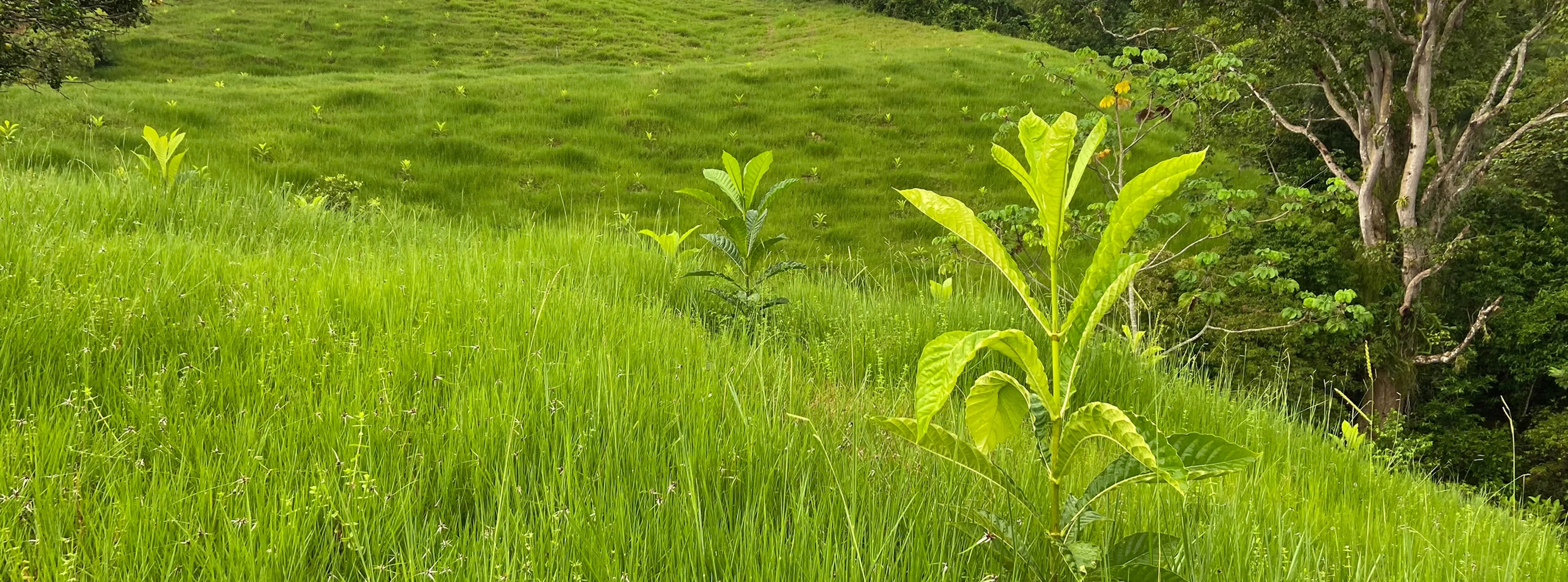
Thinking about switching to natural colors? Here’s when – and how – to start preparing
Article
Aug 25. 2025 - 8:04AM
With the right foresight and preparation, you can fully unlock the potential of natural color alternatives for your products and ensure consistent, reliable outcomes. However, as Marta Wieczorek Head of Global Sourcing at Oterra highlights, advanced planning is the key to success.
Transitioning to natural colors isn’t something that can be done overnight. If you're a manufacturer eyeing the shift to natural colors, Marta’s advice is clear: You need to start preparing now.
“It won’t happen from one day to another,” she says. “There’s still a cycle of around three years to complete.” This includes everything from application testing to securing and contracting supply. Many manufacturers are already running product trials now to secure their preferred solutions in time for future deadlines.
Why the rush? U.S. Regulatory pressures are accelerating change
States like California, Texas, and Delaware are pushing forward with regulations to limit the use of artificial colors – even ahead of federal guidance. For food manufacturers, this means pressure to convert is intensifying, especially for products sold nationwide. Being ahead of the curve isn’t just smart planning – it’s strategic protection.
Not all naturals are created equal
Timing largely depends on the type of natural pigment you’re looking to source. For those derived directly from agricultural crops – such as red sweet potatoes or annatto – planning needs to begin much earlier. For instance, red sweet potatoes have a nine-month growing cycle.
“You need to anticipate your needs 12 - 18 months in advance,” Marta explains. That means volumes must be secured before planting even begins, to engage farmers, preparing land and seeds. Annatto trees having an even longer growing cycle compared to many other natural sources. The first harvest can only be obtained after one-and-a-half to two years, while the trees reach their full potential after three to four years.
In contrast, pigments like spirulina or carotenoids offer more flexibility. These are not tied to seasonal harvests and can be produced year-round. Though some carotenoids are produced from plant materials, many are synthesized or created through fermentation processes, allowing for more consistent availability. However, Marta notes that scaling up production of these ingredients may still require significant capital investment, especially if demand surges quickly.
Commitment drives supply
One of the most important factors in securing natural color supply is committing early. “To increase and secure supply, commitment from clients on volume and timing helps accelerate the process,” Marta says. “That commitment allows companies like Oterra to expand cultivation areas, strengthen supplier partnerships, and invest in production capacity. The long lead time is precisely why Oterra is investing significant time and expertise to be close to the source.
“We are actively and transparently engaging farmers on this transformation journey to secure sustainable and reliable access to raw materials. Manufacturers who delay decisions risk limited availability – and may be forced to compromise on their preferred solutions.”
This is especially important for colors in high demand, such as reds, blues, and yellows. Multiple pigment solutions often exist for each color (e.g., red beet, carmine, or red sweet potato for red), but availability will be driven by early formulation decisions.
Before any contracts are signed or fields are planted, product development teams must finalize which pigment performs best across key factors like functionality, cost, and stability. Testing is already happening now with many Oterra clients – typically two to three years ahead of expected product launches.
Biotech: The scalable future of natural colors?
Biotech solutions represent a promising future for scalable natural color sourcing. Because they’re not dependent on growing seasons or farming land, they offer year-round availability and more predictable supply. Spirulina, for example, is one of the primary replacements for blue lake dyes, and Oterra has already begun producing spirulina in bioreactors 24/7 to produce Arctic Blue – providing food and beverage producers with a vivid, natural blue color with an impressively low carbon footprint.
A global sourcing network – backed by local expertise
What sets Oterra apart as a sourcing partner? According to Marta, it’s the combination of global scale with local sourcing expertise.
“We have agronomists and sourcing teams on the ground where our raw materials are grown and well diversified sourcing regions” she says. This allows Oterra to respond quickly to shifts in climate, geopolitics, or demand. Another unique strength is Oterra’s work in breeding and agronomic development. By developing proprietary or exclusive plant varieties with higher pigment yields, Oterra helps reduce cost and improve efficiency – while keeping the sourcing process sustainable and secure.
Flexibility through diversification
Climate change and geopolitical risks have made geographic diversification essential. Oterra continues to expand and diversify its sourcing footprint so ingredients like annatto, sweet potatoes, carrots, and black carrots can be grown in multiple countries/ regions and at the same time processed into final product closer to the markets where they’re used. Materials like turmeric, which require specific growing conditions, will remain tied to regions like India or Thailand.
Start now, secure later
For large manufacturers with multiple brands, think about prioritizing premium product lines first – where cost sensitivity is typically lower. This allows for a phased approach that starts with the highest value products and gradually scales as formulations and sourcing stabilize. With regulatory momentum increasing and consumer demand rising, the clock is ticking for food and beverage brands looking to switch to natural colors. Whether you’re converting one product line or an entire portfolio, the process – from application testing to farming contracts – requires a lead time of up to three years.
Manufacturers who act early will have more choices, greater control over quality, and a stronger position in a competitive supply landscape.
Embracing Natural Food Coloring: The Path Forward After the Red 3 Ban
Article
Apr 30. 2024 - 12:39PM
As the food industry evolves, regulatory changes continue to shape ingredient choices. Recently, Red 3, a commonly used synthetic food coloring, has faced scrutiny, leading to impending bans in various regions. Amidst this transition, Oterra remains committed to offering natural food coloring solutions that align with evolving regulations and consumer preferences.
The Implications of the Red 3 Ban: The decision to phase out Red 3 underscores the industry's commitment to cleaner, ingredients. As regulatory agencies focus on enhancing food safety standards, food producers must adapt by exploring alternative solutions that meet both regulatory requirements and consumer expectations.
Enter Natural Food Coloring Solutions: Our solutions provide a seamless transition to natural colors. Harnessing the vibrant hues of natural ingredients, such as Red Beet, Hansen Sweet Potato, Spirulina, and Jagua blue, these solutions offer a spectrum of colors without compromising on taste. Moreover, they align with consumer preferences for clean-label products.
Benefits of Natural Food Coloring:
Regulatory Compliance: Our solutions meet regulatory standards, providing a straightforward path to compliance.
Clean Label Appeal: Natural colorings contribute to cleaner labels, reflecting transparency and quality.
Flavor Enhancement: Derived from natural sources, our colorings enhance the overall taste and sensory experience of food products.
Navigating the Transition: As food producers transition away from Red 3, our natural color solutions offer stability and reliability. While challenges such as variability in color intensity may arise, our team provides comprehensive support to ensure consistent results.
Embracing a Brighter Future: By embracing natural food coloring solutions, food producers demonstrate a commitment to innovation and sustainability. Together, let's adapt to regulatory changes and create products that prioritize consumer health and well-being. At Oterra, we offer a diverse range of natural color solutions to facilitate this transition seamlessly. Our solutions not only meet regulatory standards but also deliver vibrant colors and flavors, enhancing product appeal and consumer satisfaction. Join us in embracing this change towards a healthier, more sustainable future. Please reach out to us for further information or assistance with transitioning to our natural color solutions.
Rewriting the Future of Food Color: How Oterra is Driving Natural Innovation
Article
Jul 22. 2025 - 11:18AM
Consumers are no longer content with artificial additives and opaque labels. They’re demanding natural, sustainable, and clean-label solutions that align with their values. And at the heart of this transformation is color innovation, where companies like Oterra are leading the charge.
According to GlobalData, 41% of consumers consider “free from artificial ingredients” essential when choosing food and beverages. Nearly 26% actively avoid artificial colors and flavors. These numbers reflect a strong global movement toward clean-label products, with growing demand for transparency and trustworthiness in ingredients.
This is more than a passing trend – it’s a structural shift in consumer expectations, accelerated by evolving regulatory landscapes. In the United States, for instance, the FDA’s stance on artificial colorants, combined with increasing legislative action at state levels, is expected to dramatically boost both awareness and demand for natural alternatives. While a recent NATCOL survey indicated that U.S. consumer awareness of natural food colors still lags behind Europe, that’s changing quickly. Oterra anticipates a significant uptick in interest and adoption across North America as natural color solutions become more visible and more viable.
For Oterra, these shifts aren’t just market signals – they’re fuel for innovation. Sustainability and environmental responsibility are major pillars in the company’s strategy. The goal is not only to create brilliant natural colors but also to do so with a lower environmental footprint.
As Luc Ganivet, Head of Innovation at Oterra, explains, “First of all, we need to find new raw materials that already exist in nature.” A prime example is Jungle Blue, a vivid FDA-approved blue color derived from huito fruit through a partnership with Ecoflora in Colombia.
But the innovation doesn’t stop there. Oterra is also breeding new varieties of common crops – like carrots, grapes, and sweet potatoes – to enhance color content or develop novel shades. Gene editing technologies are being explored to accelerate this process, enabling a more sustainable and cost-efficient approach to natural color development.
In addition to sourcing, Oterra is pioneering new processing techniques to improve performance and vibrancy. Their I-Colors® Bold ultrafine powders, for example, deliver bold, vivid shades designed to meet the functional demands of complex formulations.
Advanced cultivation technologies are also coming to the forefront. Produced in collaboration with VAXA Technologies, Arctic Blue is cultivated in a carbon-neutral vertical farming system powered entirely by geothermal energy. Oterra has calculated that this combination of geothermal energy and cultivation system uses just 1% of the water and land compared to conventional spirulina farming, while also minimizing contamination risks and ensuring consistent year-round production. Despite adding CO2 emissions back due to further processing and transportation, Oterra estimates that its flagship Arctic Blue product generates up to 40 times fewer emissions than its conventional spirulina product (this is indicative and context-specific, not a full Life Cycle Analysis).
These technologies not only reduce environmental impact but also strengthen the reliability of Oterra’s supply chain – an increasingly critical factor as manufacturers shift away from synthetic ingredients. For natural colorants, lifecycle planning is crucial. For instance, the red sweet potato, a common source of natural pigment, requires a nine-month growing period. Anticipating and managing such timelines is essential, and Oterra’s partnerships with contract farmers in over 30 countries provide the foundation for a resilient and scalable production system.
Oterra’s FruitMax® range offers a full spectrum of colors derived from fruit, vegetables, and edible plants. Designed to meet the demands of clean-label products, FruitMax® colors are free from artificial additives and preservatives, and many are considered coloring ingredients rather than additives with E-numbers. Depending on the region, labels might read “red beet concentrate” in the EU or “vegetable juice (color)” in the U.S. Available in water- and oil-soluble formats, and suitable for Kosher, Halal, vegetarian, and palm oil-free requirements, these formulations are tailored for versatility and transparency.
Oterra’s Simply Brown range offers another clean-label solution – this time for replacing caramel colors. Made from apple juice concentrate, it provides a non-caramel, allergen-free alternative with global regulatory acceptance. It’s used across a wide array of categories, including bakery, beverages, dairy, confectionery, and even pet food.
Looking ahead, Oterra sees even more potential in biotech. Precision fermentation – still in its early stages – is poised to revolutionize the production of food colors over the next 5 to 10 years. By using microorganisms to generate natural pigments in a controlled environment, this method promises consistency, scalability, and a drastically reduced environmental impact.
“As the food industry responds to consumer demands and regulatory pressures, color is emerging as both a challenge and an opportunity,” says Luc Ganivet. “For Oterra, it's a space filled with possibility. By blending cutting-edge science with nature’s palette, the company is helping to paint a cleaner, more sustainable future for food.”