
Oterra works with all links in the value chain - from seeds to final products
Oterra’s supply network stretches from the breeding of seedlings we use in the fields where our raw materials are grown, through harvesting, to extraction, processing and final delivery to our customers around the world.
Oterra develops varieties of vegetables specifically for color production, increasing yields per hectare and the amount of pigment per kilo of product leading to better land use. We have a network of agronomists that work with local farmers to introduce agricultural practices that safeguard soil health, enhance biodiversity, and improve resilience to climate variability - while also supporting farmers’ livelihoods.
Our raw material processing facilities are close to where the products are grown, reducing transport emissions and ensuring we preserve more of the pigment, increasing yield. We invest in decarbonizing production by installing more efficient boilers, or switching to renewable energy sources.
Better land use
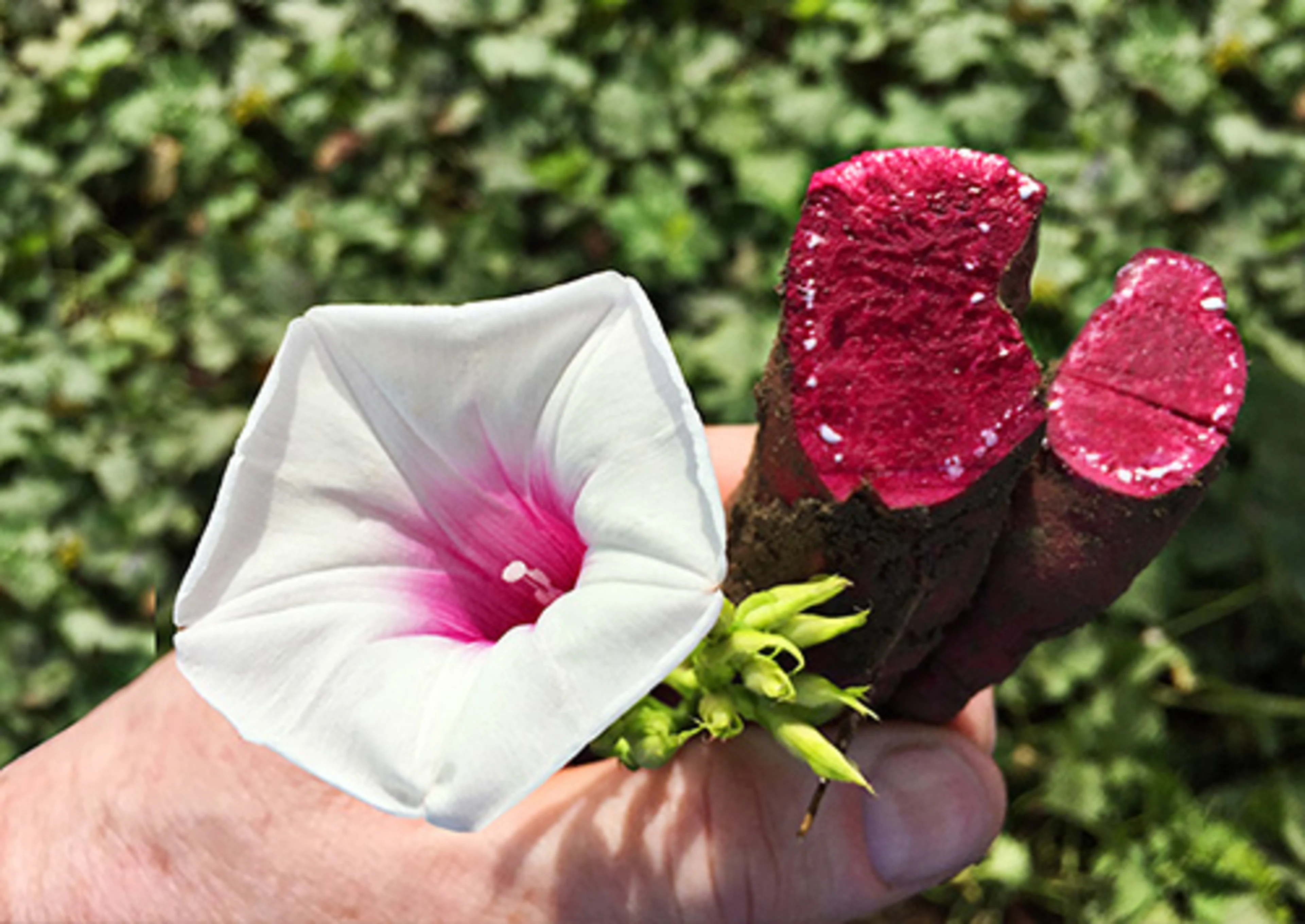
Award-winning Hansen sweet potato
Oterra has developed an award winning sweet potato that has a high pigment load and provides beautiful bright red colors. The company’s Hansen sweet potato has seen the number of color units it produces grow five-fold – with more improvements on the way. - increasing the amount of pigment per kilo of product leading to better land use¨.
Reducing emissions
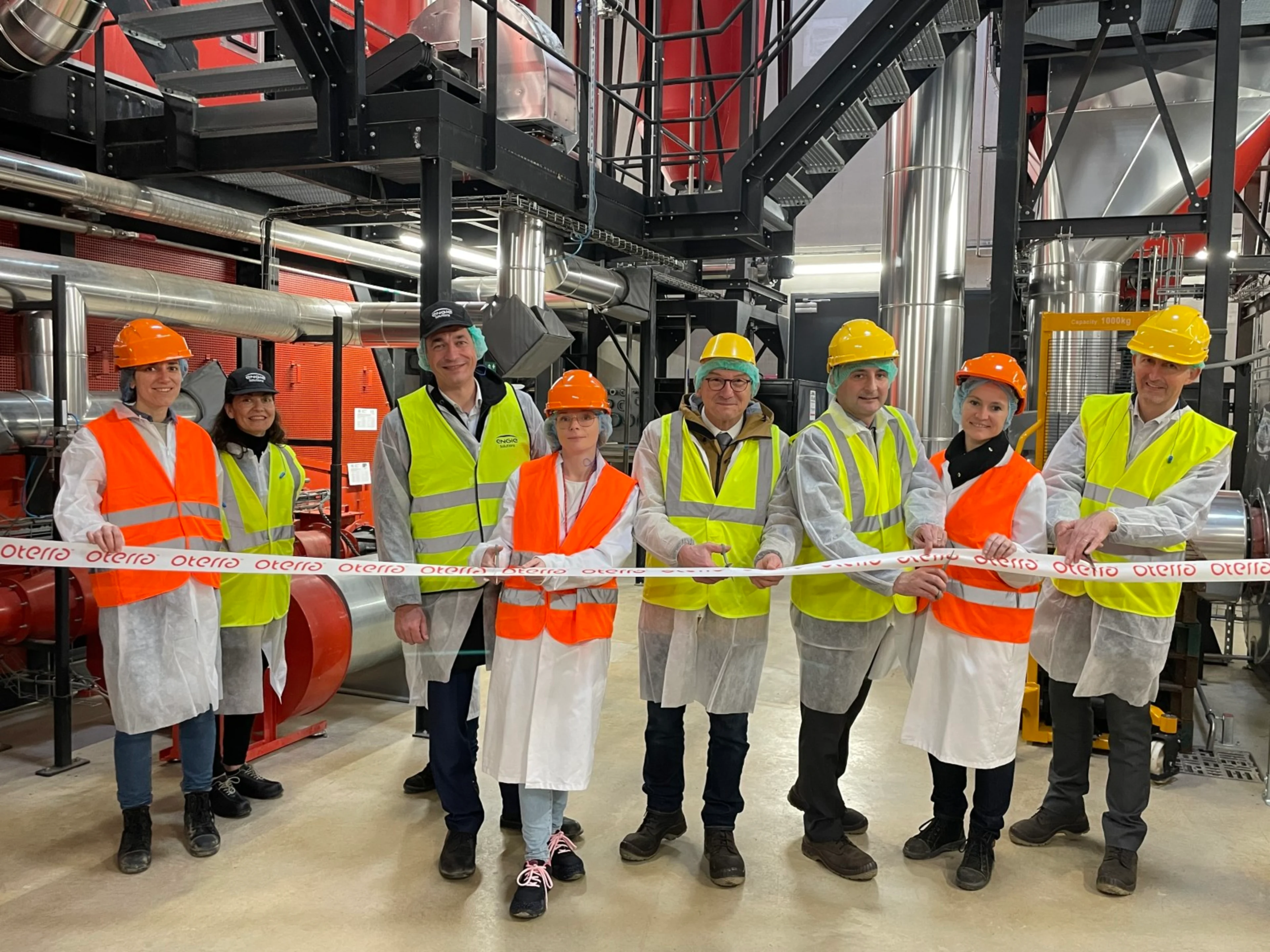
Decarbonizing natural colors
Oterra's Cossé-le-Vivien site uses a biomass boiler, that has made a significant contribution to reducing the company's Scope 1 emissions. The biomass boiler effectively covers over 82% of the site's steam requirements, with a gas steam boiler to provide backup and support. The 3.5 MW biomass boiler at Oterra's site efficiently utilizes wood chip byproducts from woodland and agroforestry residue, sourced from within 150 km of the plant – manifesting Oterra’s commitment to local, renewable energy and sustainable resource management in general.
Carbon neutral cultivation
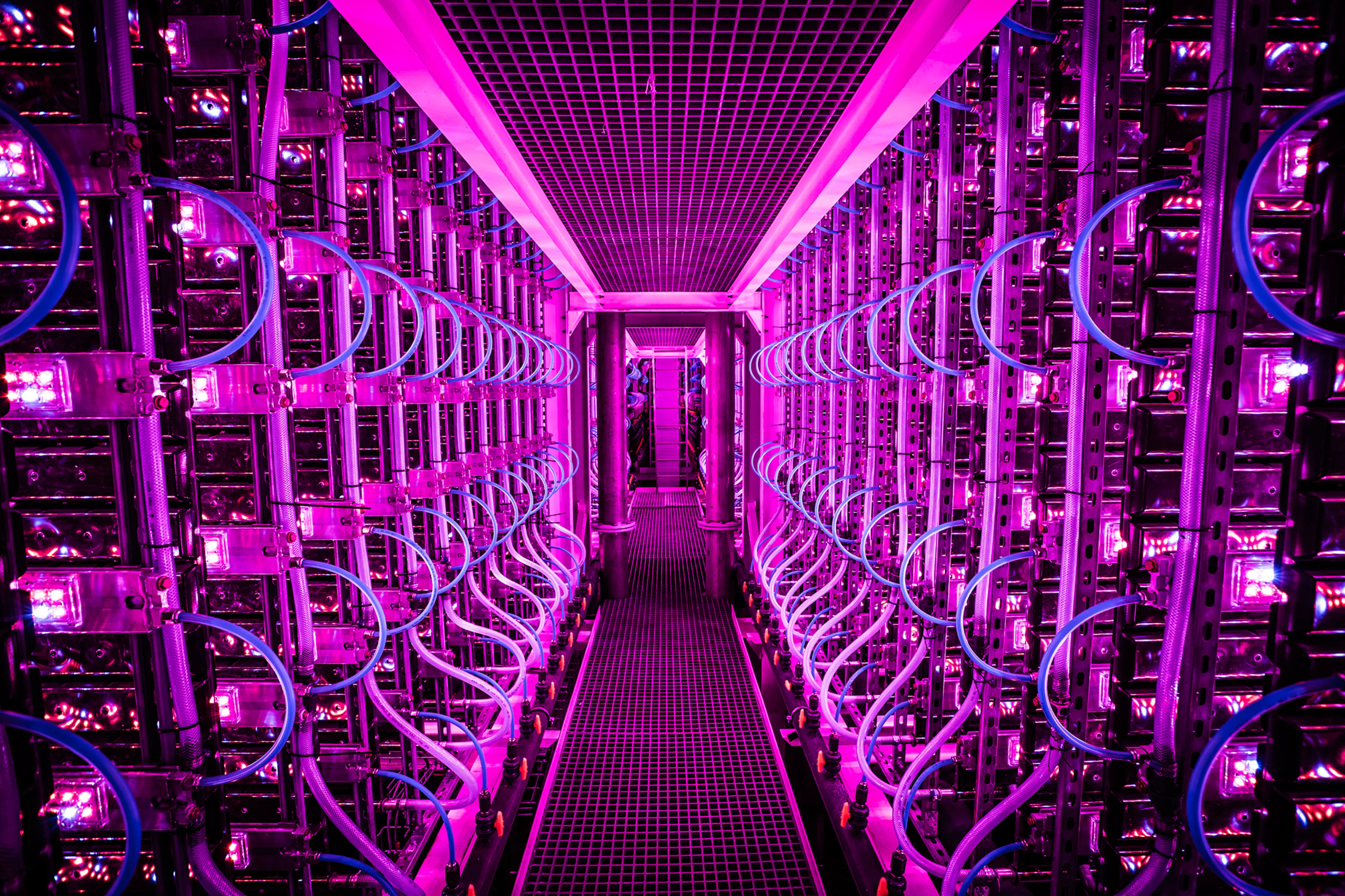
Innovating to reduce land and water use
Spirulina made in Iceland using an innovative cultivation process has cut water and land use compared to traditional systems. There is minimal loss of water from the closed system that has a significantly lower land footprint than traditional open pond systems. The carbon neutral cultivation process uses only 1% of the water and land compared to traditional open pond systems.