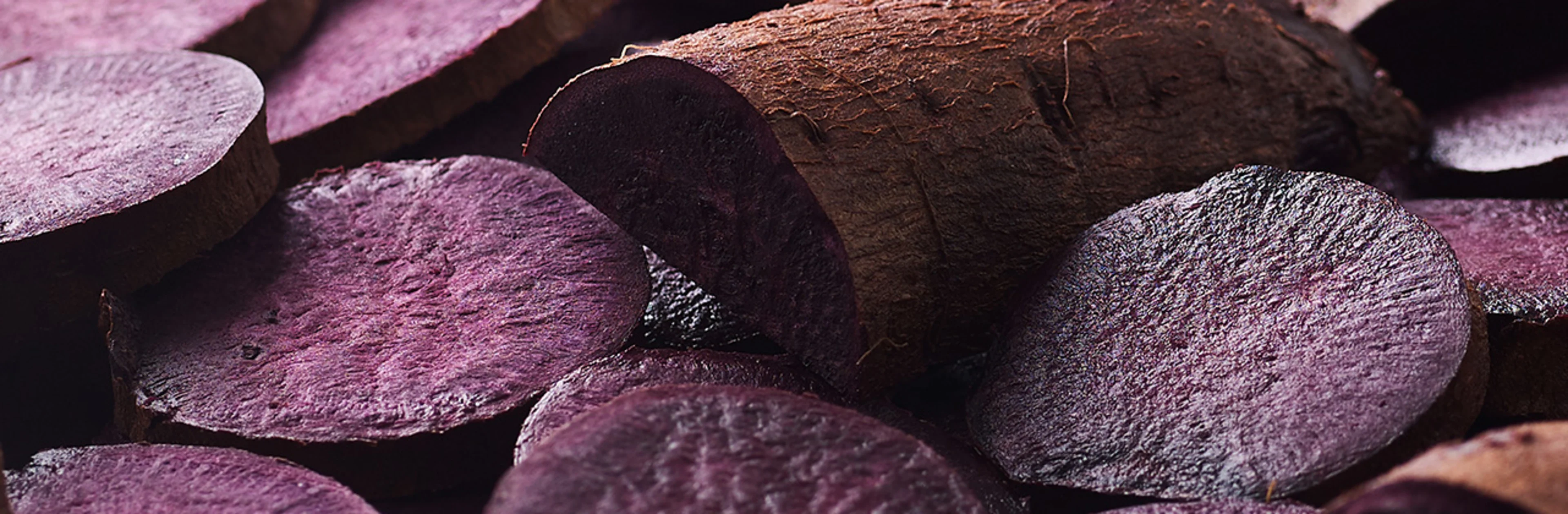
Purple sweet potato
The fundamentals
Produces shades:
Latin name: Ipomoea batatas
Pigment: Anthocyanins
E-number: E163
Five facts about purple sweet potato
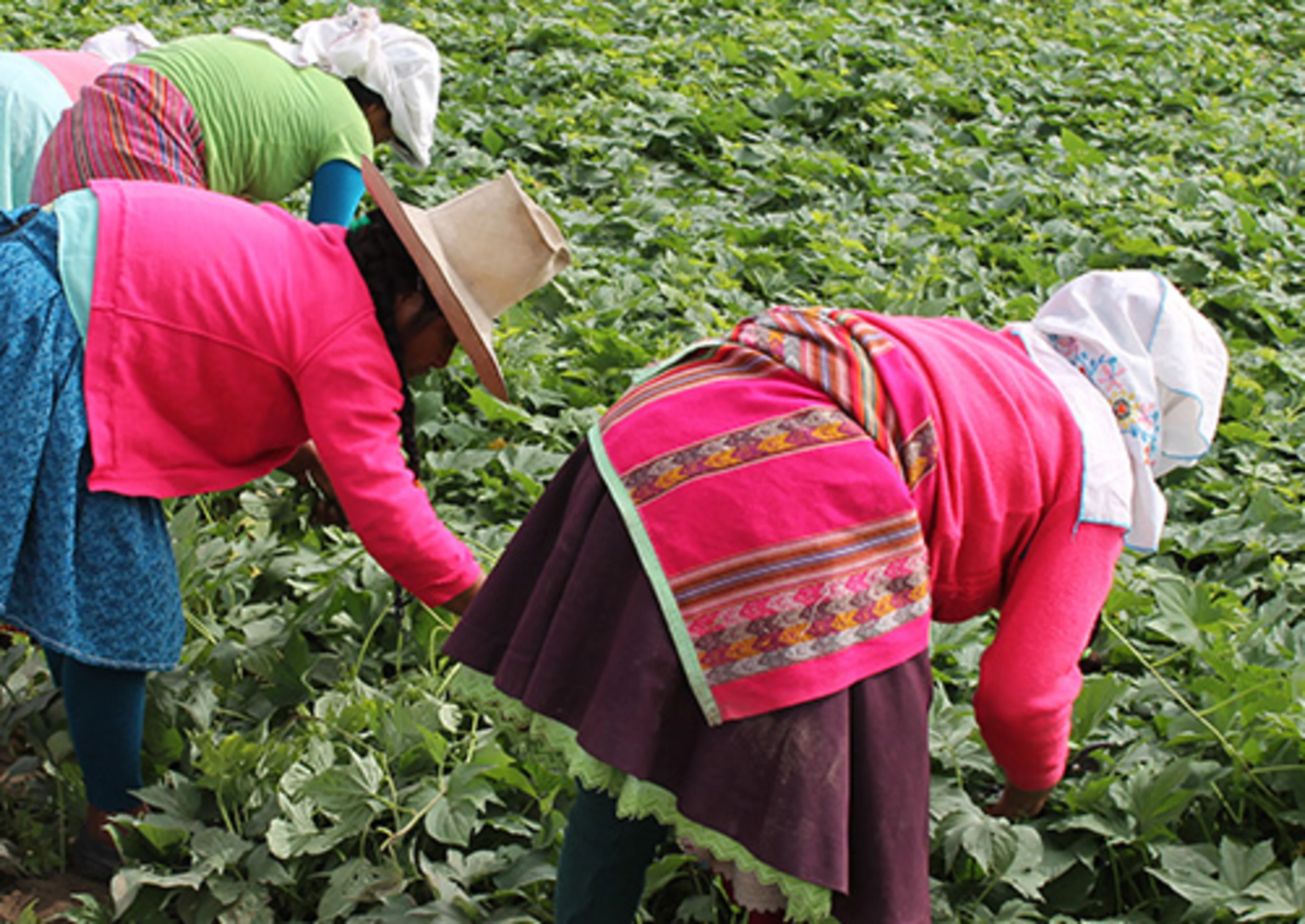
Sweet potatoes are native to South America, where they have been cultivated for more than 5000 years.
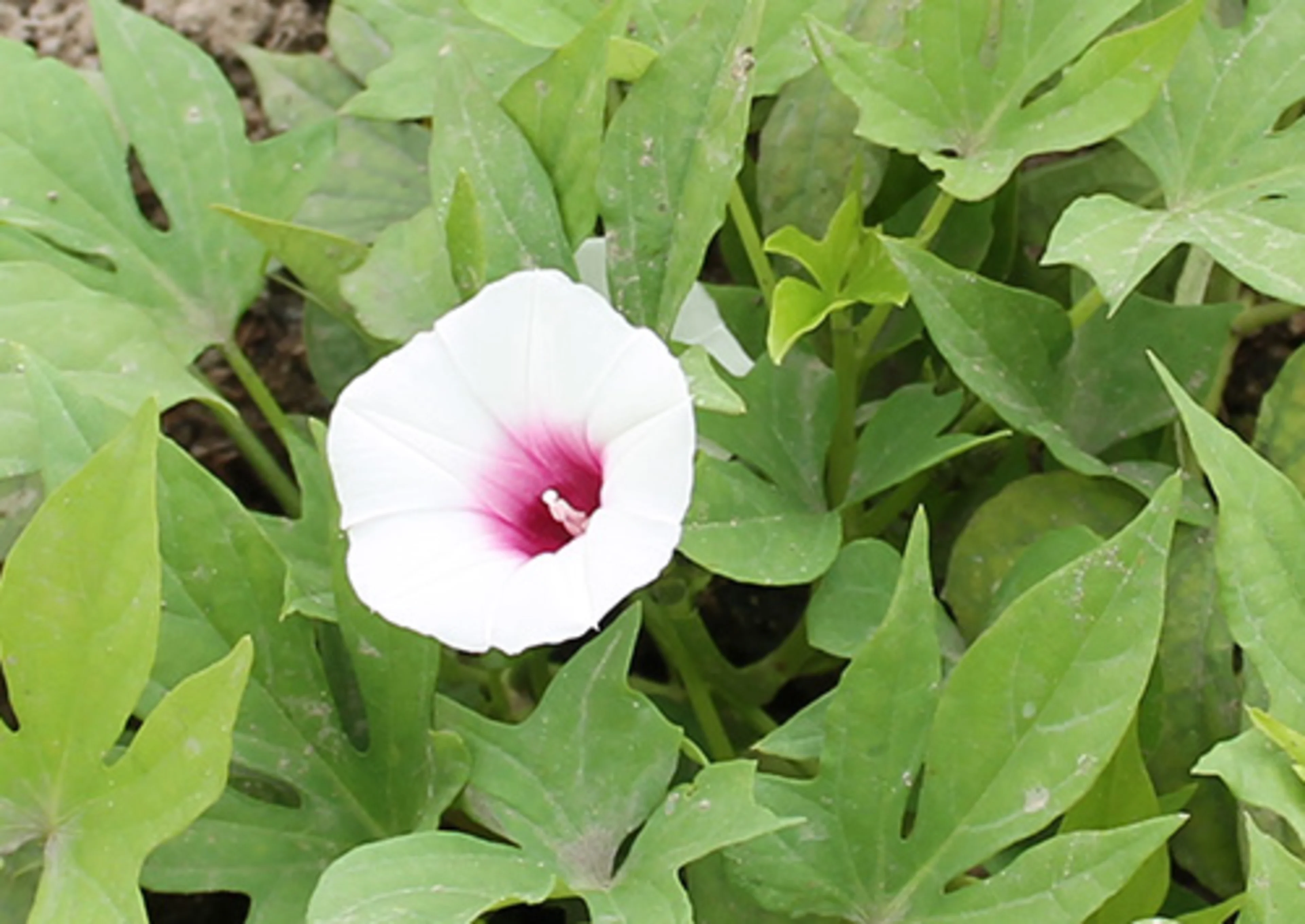
They are a yam belong to the morning-glory family. Despite their name, potatoes and yams are not related.
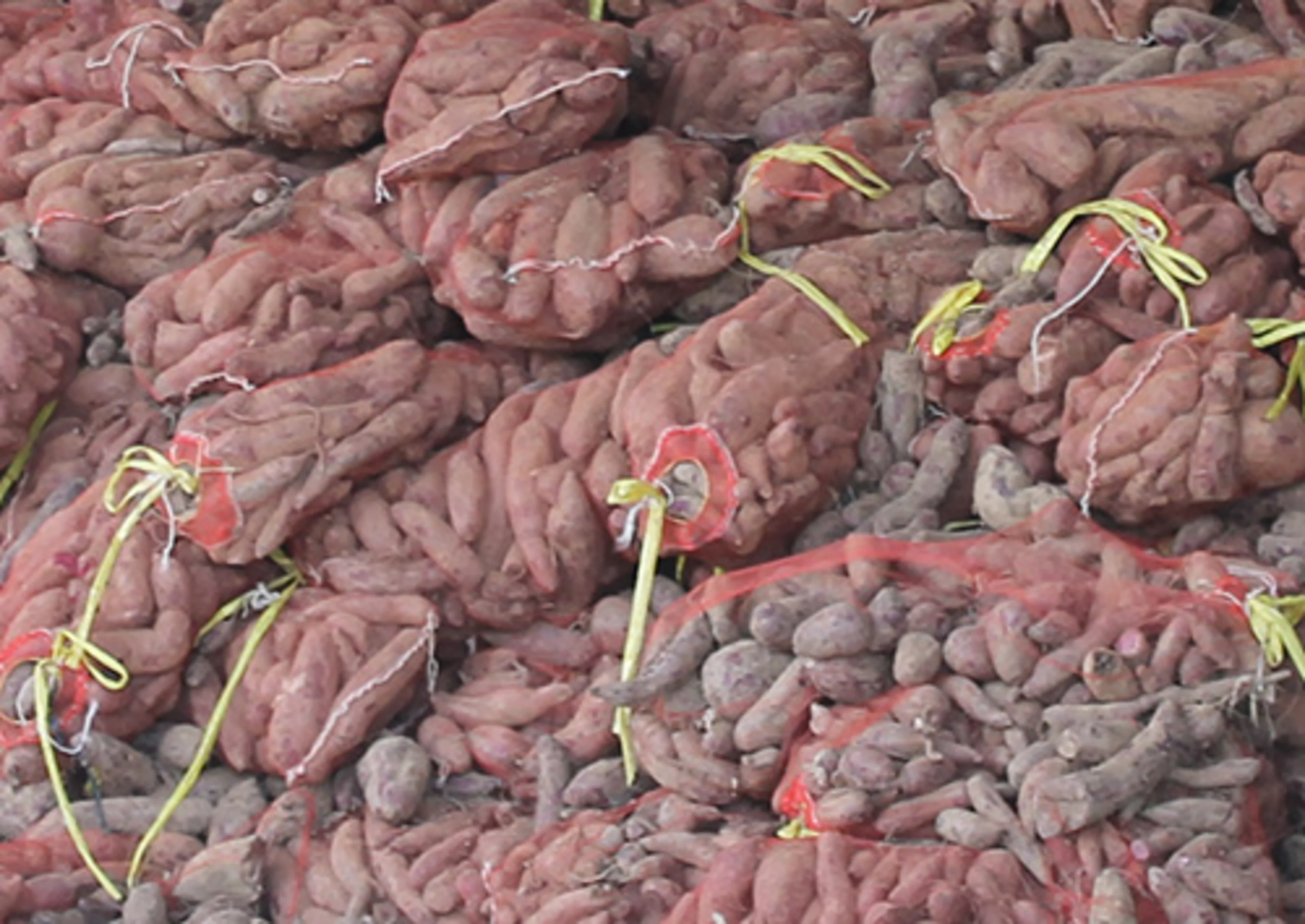
Sweet potato is nutritious. It's the world's seventh most important food crop after rice, wheat, potatoes, maize, barley and cassava.
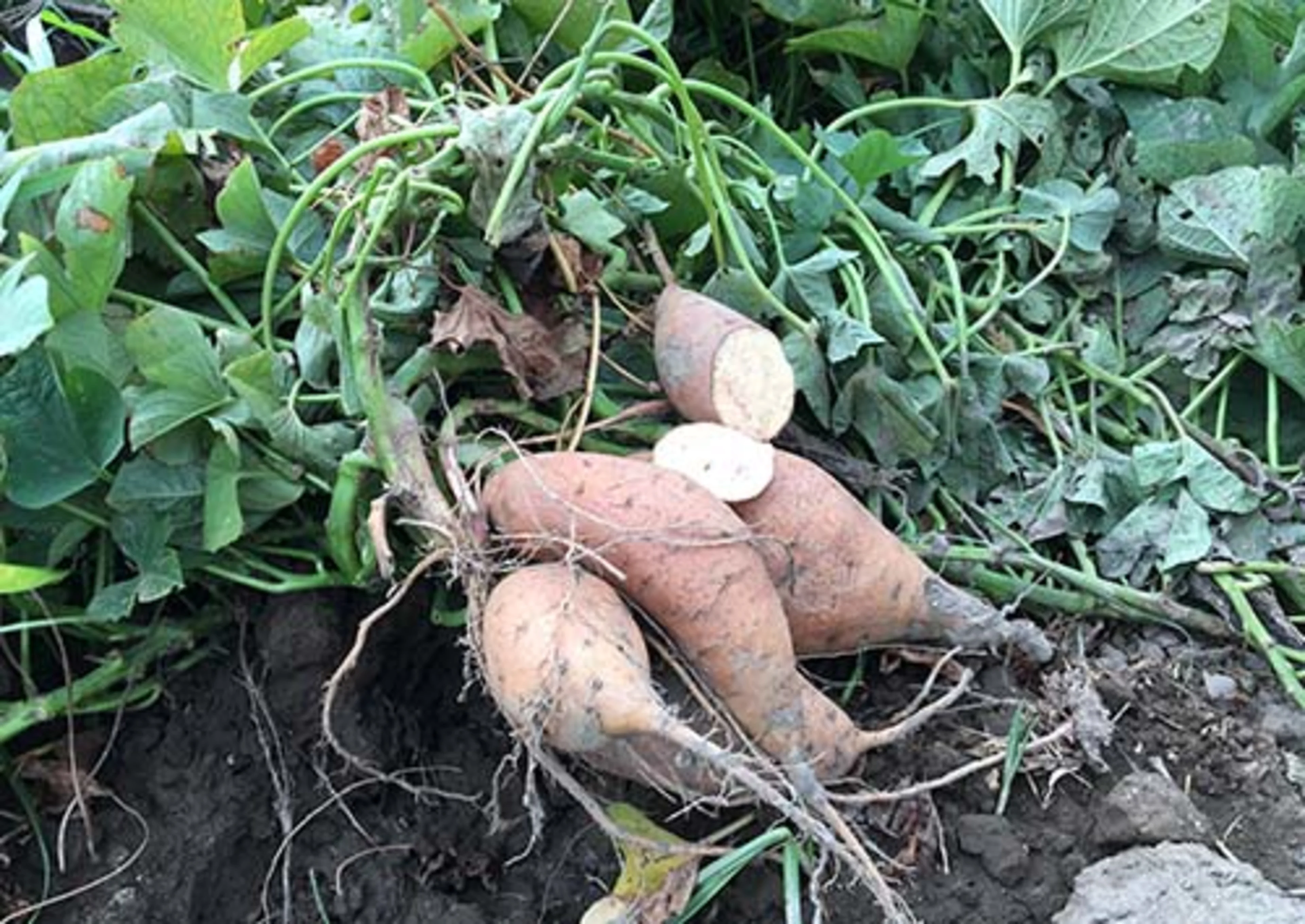
The color of the tubers can range from white, yellow, orange to a deep red or purple.
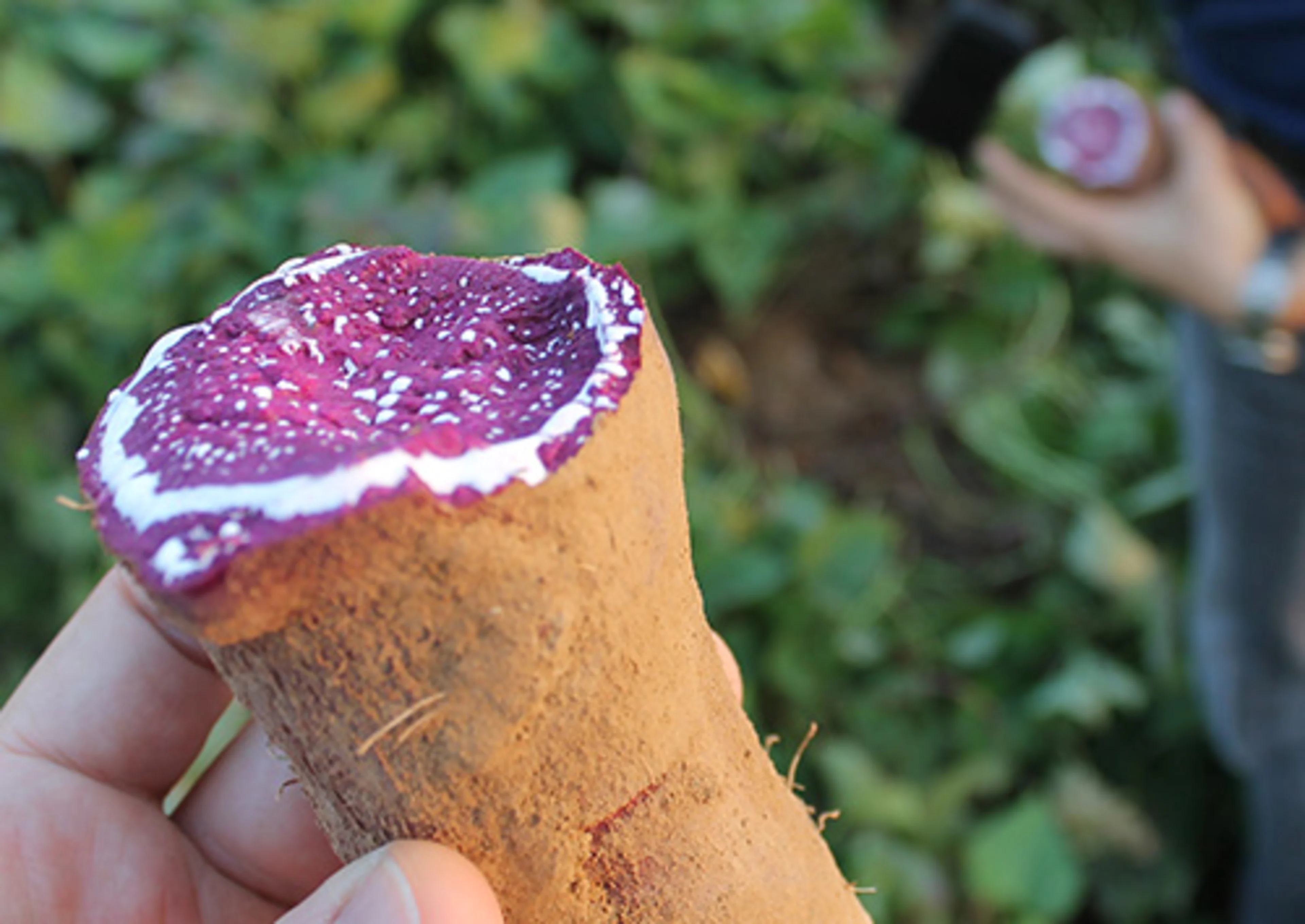
Red and purple varieties are used by the food color industry as they have a high anthocyanin content.
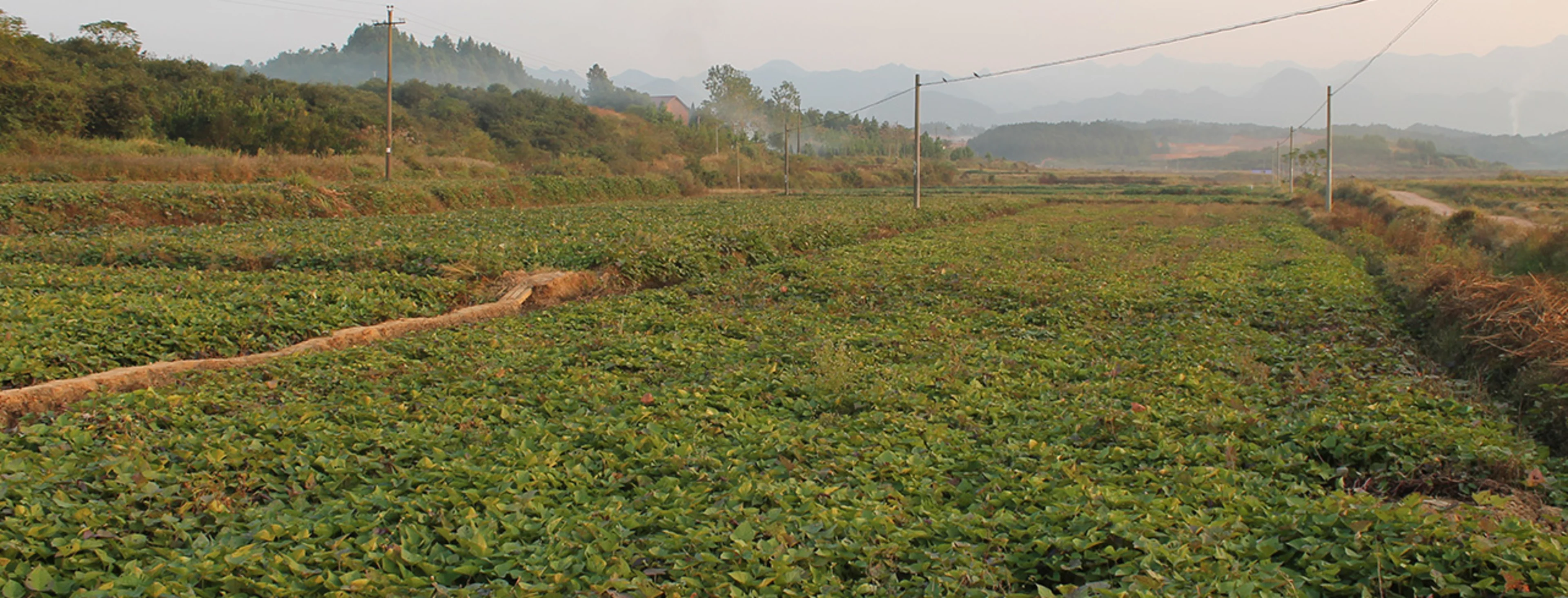
How purple sweet potato is grown
Sweet potatoes thrive in altitudes from 0 to 2500 meters, wherever there is a frost-free growing season of minimum three months. In tropical climates they can be grown year-round, usually with a more abundant crop during the warmest months.
They can be propagated from seed or tubers. The crop cycle ranges from three to seven months. For the purple varieties used by the food color industry, the growth cycle is longer to give the potatoes time to accumulate high color loads of anthyocyanins.
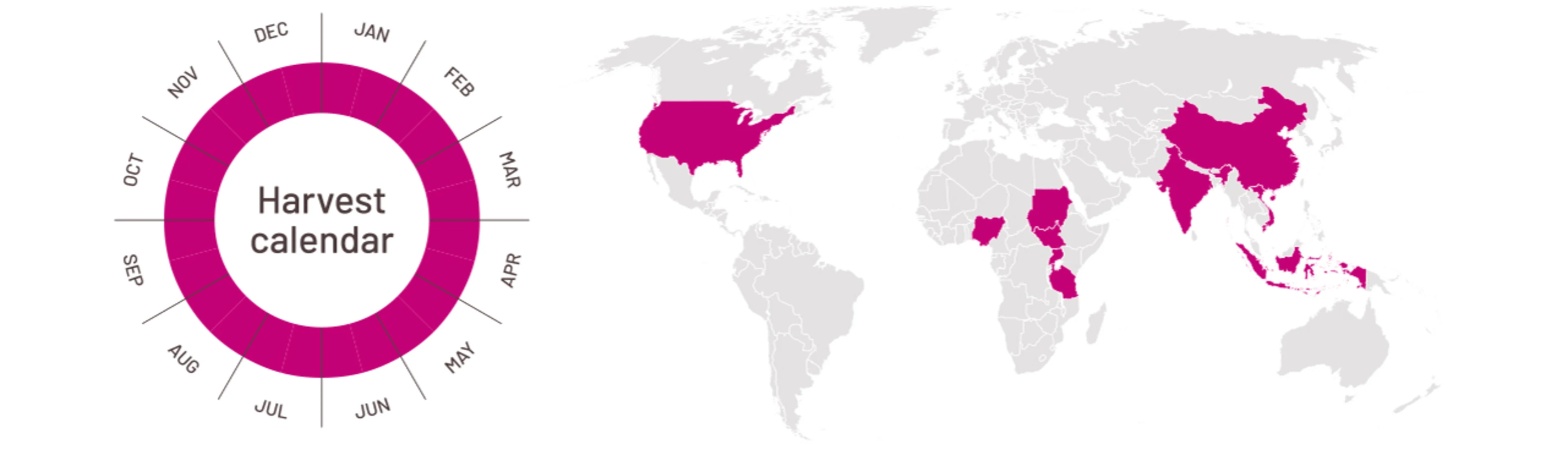
Harvest calendar and growing areas
Sweet potatoes are a common vegetable. The top 10 commercial growing regions are in Asia, Africa and the US. Purple sweet potato is harvested year-round
What you should know about anthocyanins from purple sweet potato
Oterra's stable, industry-leading formulations allow you to benefit from all of the advantages of purple sweet potato as a natural food color while minimizing any intrinsic challenges associated with this vegetable.

Anthocyanins are naturally water dispersible. Due to the molecular structure, purple sweet potato’s molecules are one of the most stable anthocyanins.
It is difficult to match or find another raw material that produces this unique shade.
Natural Strengths
Heat and light stable
Performs well in acidic applications
Natural Challenges
Changes in pH cause shade shift
Sensitive to oxygen, metal ions and vitamins
Food colored naturally with purple sweet potato
