
Trends | Mar 09. 2026 - 3:38PM
US Consumer Food Trends: Health, Comfort & Color Insights
Awareness of food and beverage choices is rising among US consumers. While this does not yet represent a complete shift in mindset, it has started to influence how people think about their habits and what is inside the food and beverages they consume.
An ad-hoc survey conducted by Oterra with 200 US consumers across different age groups, regions, and income levels highlights several evolving expectations. Healthiness stands out as a key factor, with 39% of respondents saying it is relevant when choosing food and beverages. At the same time, almost half of respondents say they are interested in products that provide comfort or emotional support.
The reasons are not surprising. Many consumers describe themselves as busy, stressed, and constantly balancing responsibilities. Food and beverages are increasingly expected to deliver more than nutrition alone. They provide moments of relief after a demanding day, small celebrations, and a sense of happiness or freedom in everyday routines.
As a result, comfort-driven choices are on the rise, particularly in snacks, ready meals, biscuits, and jams and spreads. Consumers are gravitating toward familiar flavors, creamy textures, and warm, reassuring colors, often combined with natural ingredients and clean-label positioning.
At the same time, people are increasingly looking for food with a purpose. The survey highlights strong interest in hydration, natural ingredients, and protein. Importantly, this trend is not limited to a single age group. Consumers across generations are searching for products that help improve wellbeing, support weight management, and encourage healthier habits, connecting both physical and mental benefits. Key product areas include processed meat and cheese for high-protein options, dairy and plant-based products for natural ingredient positioning, and sports drinks and juices for hydration benefits.
Key signals from the US market
One of the clearest insights from the research is the desire for balance. Nearly half of respondents (49%) say they look for food that gives them a sense of healthiness and balance. This reflects broader trends around health and wellness, as well as the growing concept of healthy indulgence.
Consumers want to enjoy food while still feeling they are making better choices for their body and mind even if the product remains indulgent. This may mean less sugar, reduced alcohol, more protein, or added benefits. The shift is not about abstinence, but about taking control of personal health and lifestyle. From a color perspective, white and purple emerge as the shades consumers most associate with this healthier positioning.
Comfort remains another important driver. For 42.5% of consumers, food should provide a sense of comfort. Often, the small details make the difference: lighter options, appropriate portions, and foods that feel satisfying while still being good for you. Visual appeal and overall experience are just as important as nutritional value. When it comes to color, blue is the shade US consumers most strongly associate with comfort, a result that differs from global findings, where white typically leads.
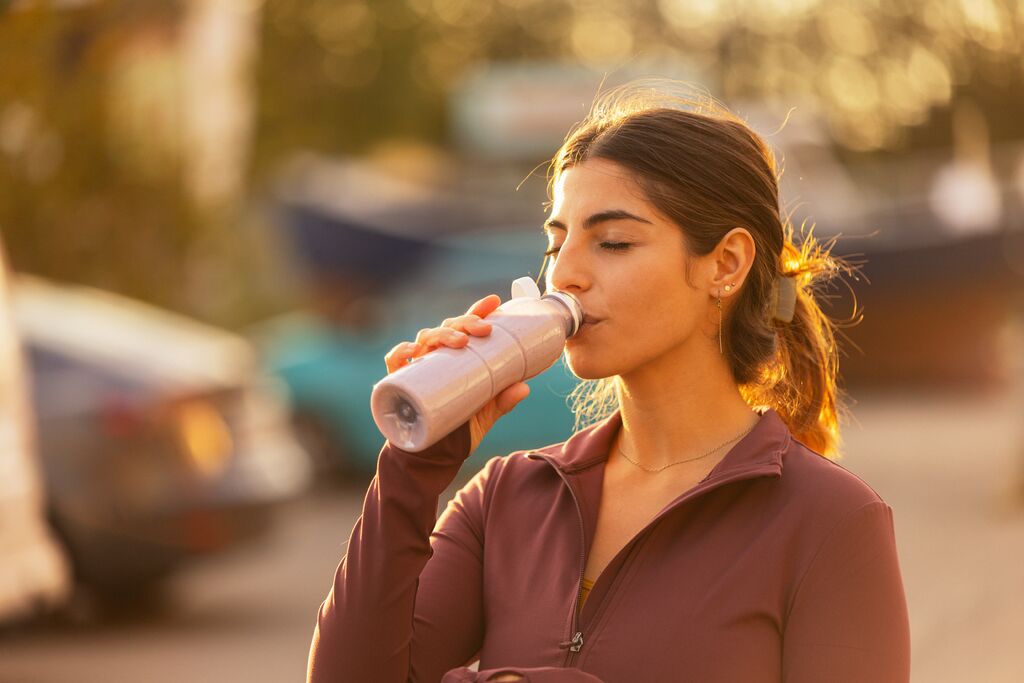
Hydration is also becoming a key argument in beverage innovation. While nearly a quarter of global consumers (23%) actively seek hydration or rehydration benefits according to Innova Market Insights, our survey indicates that the figure is even higher in the United States, reaching 39%, particularly among consumers aged 18–24 and those over 55. Products featuring electrolytes, vitamins, and natural ingredients are increasingly positioned around both sports performance and everyday wellbeing. In terms of visual cues, blue aligns strongly with hydration benefits globally, with green following closely as the second strongest association among US consumers.
Demand for high-protein products and muscle support is also increasing. This may be linked to growing awareness around weight management and the expanding discussion around GLP-1 medications. More consumers are paying attention to portion sizes and looking for practical formats such as single-serve options and portion-controlled packaging that support healthier lifestyles without sacrificing convenience. In this space, brown and orange are the colors most associated by US consumers with protein and muscle support.
Natural ingredients continue to gain importance as well. In the survey, 37% of respondents say they actively look for natural ingredients in food and beverages, placing it among the top expectations for products leading into 2026 and beyond. However, the concept of “natural” varies widely among consumers. For some, it represents reassurance around safe and recognizable ingredients; for others, it signals specific health benefits. With new regulatory attention on color additives, companies are increasingly encouraged to evolve labels while still maintaining the product experience consumers expect.
The role of color in consumer perception
Color plays a surprisingly significant role in how food and beverages are perceived in the United States. When asked how important the actual color of the product itself (not the packaging) is when making purchasing decisions, 42% of consumers say it is very important.
Consumers also tend to favor familiarity. More than half (56%) say they prefer foods and beverages with traditional colors, while only 10% prefer innovative colors. At the same time, a substantial share (33%) say they have no clear preference. This group represents an opportunity, as communication, branding, and storytelling can strongly influence how consumers perceive and accept new color experiences.
Health, enjoyment, and the future of food
Overall, the findings show that health and pleasure are increasingly intertwined. Consumers are looking for products that help them feel better while still delivering enjoyment and emotional satisfaction. This shift is driving a growing space for better-for-you indulgence, where natural ingredients and especially natural colors play a crucial role in making products both appealing and credible.
For brands and manufacturers, color is not just aesthetic. It is a powerful signal that helps communicate benefits, shape expectations, and reinforce the connection between wellbeing and enjoyment in modern food and beverage choices.