Regulatory News | Aug 20. 2026 - 7:32AM
Natural colors take center stage as Brazil’s dairy sector adapts to new food safety standards
Brazil's dairy industry has completed a significant regulatory transition. Cheese manufacturers have phased out the use of magenta fuchsin, a synthetic dye traditionally used to color the rinds of aged cheeses

Author
Stella Munhoz
Brazil Marketing Manager and Global Strategic Marketing Manager
Brazil's dairy industry has recently completed one of its most significant regulatory transitions in recent years. Following an 18-month adaptation period, cheese manufacturers have phased out the use of magenta fuchsin, a synthetic dye traditionally used to color the rinds of aged cheeses, replacing it with alternatives that have been evaluated as safe from a toxicological standpoint and are better aligned with today's consumer and regulatory expectations.
The change stems from Mercosur Resolution GMC No. 15/23, which revised the list of approved food additives across several food categories, including cheese. In Brazil, the regulation was adopted by the National Health Surveillance Agency (Anvisa) through Normative Instruction No. 286, published in March 2024, which updated the country's positive list of food additives and established an 18-month compliance period for products already on the market. The transition was also coordinated with Brazil's Ministry of Agriculture and Livestock (MAPA), the authority responsible for regulating and inspecting the country's dairy sector.
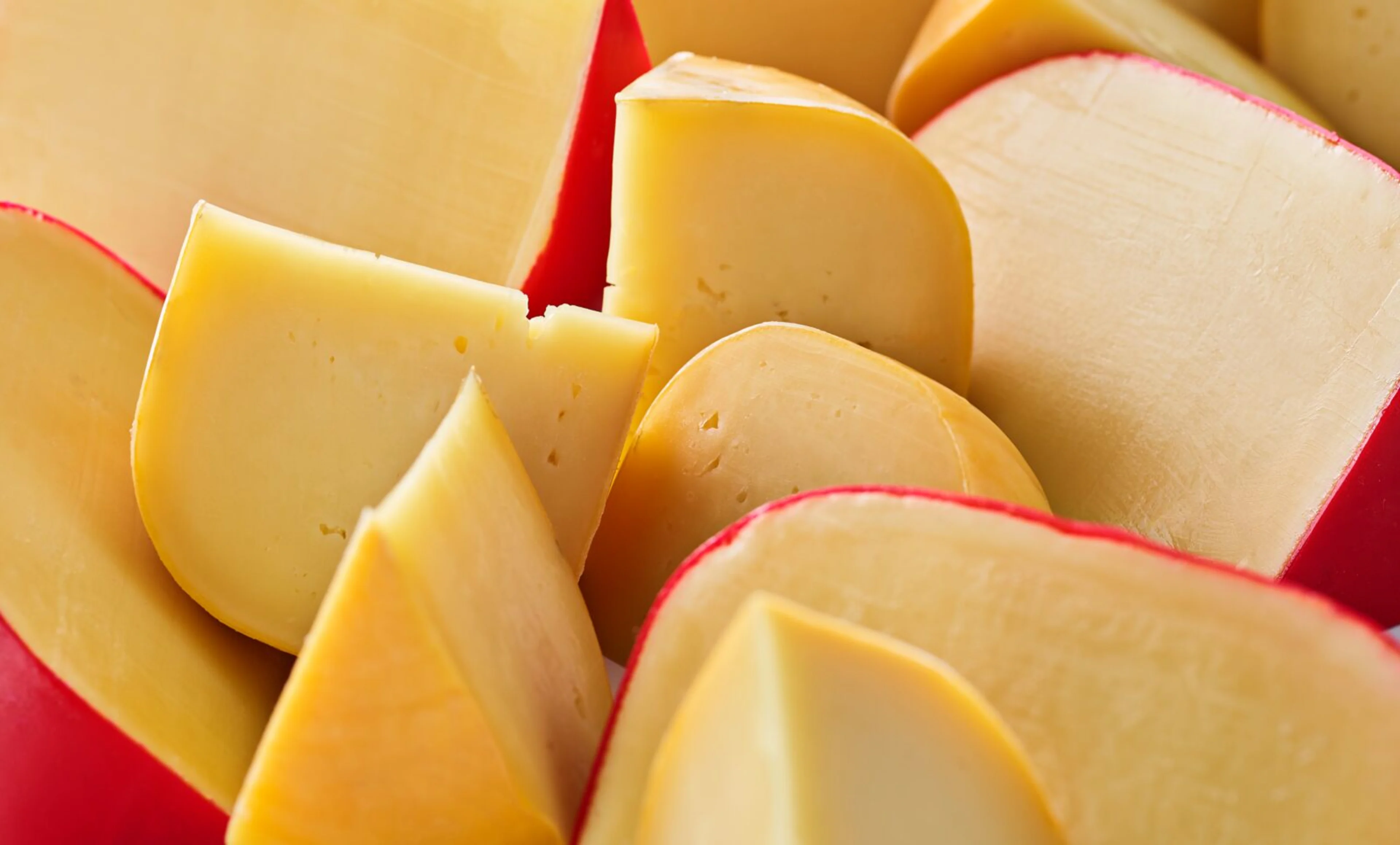
For decades, magenta fuchsin was widely used to create the distinctive reddish-pink rind associated with traditional cheeses such as Reino, Gouda, and Prato Bola. Its removal was driven by the absence of toxicological evaluations confirming its safety for food applications.
Natural solutions for diary manufacturers
With the compliance deadline now reached, dairy manufacturers have been challenged to identify solutions capable of preserving the visual identity consumers recognize while maintaining operational efficiency and product quality. This is where natural color solutions have played a strategic role.
Among the alternatives evaluated, carmine has demonstrated excellent performance in cheese rind applications, allowing manufacturers to reproduce the traditional appearance consumers expect while complying with updated regulatory requirements.
However, this transition involved far more than replacing one coloring ingredient with another. Dairy processors faced a range of technical challenges, including drying times, compatibility with existing coating and spraying equipment, solution preparation, stability during production, and the overall economic impact on manufacturing processes.
The most successful projects shared several common characteristics: color solutions specifically adapted to each manufacturer's operational reality, effective employee training, formulation stability throughout processing, and the ability to prevent color migration into the cheese itself.
Better results from natural colors
From an industrial perspective, the results have been highly encouraging. Some of the specialized formulations developed for this application have demonstrated faster drying times, reduced color transfer to packaging materials and operators' hands during handling, and no migration into the cheese body. This allows manufacturers to maintain the traditional appearance of the rind while preserving the cheese's natural interior color, supporting downstream processes such as slicing and portioning.
Importantly, this should not be viewed as a simple ingredient substitution. Achieving the desired performance requires purpose-built solutions designed specifically for dairy applications. High-concentration, water-soluble carmine formulations have emerged as particularly effective, delivering color intensity, stability, and operational efficiency that meet the demands of modern dairy production.
The successful completion of this transition represents a positive outcome for the entire dairy value chain. On one hand, it demonstrates the commitment of regulatory authorities to advancing food safety standards. On the other, it highlights the innovation capabilities of both ingredient suppliers and dairy manufacturers, who worked together to ensure a smooth transition without compromising product quality, consumer recognition, or manufacturing efficiency.
Safety, transparency and naturally derived ingredients
Perhaps most importantly, the shift away from magenta fuchsin reflects a broader transformation taking place across the food industry.
Consumers are increasingly interested in understanding what is in their food, where ingredients come from, and how products are made. They are looking for foods that combine tradition with safety, transparency, and naturally derived ingredients.
The cheese category, long rooted in heritage and craftsmanship, is now demonstrating that these values can coexist with innovation. The transition to safer and more natural color solutions is not merely a regulatory milestone—it is a reflection of where the future of food is headed.

"High-concentration, water-soluble carmine formulations have emerged as particularly effective, delivering color intensity, stability, and operational efficiency that meet the demands of modern dairy production"