
Press Release | May 06. 2026 - 12:32PM
Debut and Oterra partner to develop and scale biotech alternative to Red 40 for food and beverage
Oterra is teaming up with Debut Biotechnology in a multi-million-dollar partnership to create and scale a natural substitute for artificial red colors used in food and drinks
SAN DIEGO, USA & HOERSHOLM, Denmark, May. 6, 2026 — Debut, a pioneer in AI-powered biotech innovation, and Oterra, a leading supplier of natural colors and color solutions for the food and beverage industry, today announced a multi-million-dollar collaboration to develop and scale a natural alternative to artificial red colors for food and beverage applications.
The partnership will scale Debut’s precision fermentation process to create a high-performing natural alternative to Red 40, one of the most widely used red color additives in U.S. food and beverage products.*
Combining Debut’s technology with Oterra’s formulation expertise will make it possible to produce natural color solutions spanning orange, red, and violet, offering a full range of stable shades to food and beverage manufacturers.
Debut and Oterra will collaborate with leading food and beverage companies ahead of commercialization while working toward an FDA approval filing, with the goal of bringing a commercially scaled product to market in approximately three years.
The U.S. Food and Drug Administration (FDA) and Department of Health and Human Services (HHS) have encouraged food manufacturers to phase out certain FD&C certified food colorings by the end of 2026, accelerating demand for high-performing natural alternatives.
“Our collaboration with Debut brings exciting new technology options to significantly strengthen our natural portfolio with optimized technical performance. It also offers secure supply, independent of weather and harvest without compromising on natural credentials,” said Luc Ganivet, Head of Innovation for Oterra. “Oterra has a 150-year heritage of innovating colors from natural sources including several Red 40 alternatives.”
“We’re excited to fast-track the commercialization of natural red alternatives from precision fermentation with Oterra,” said Joshua Britton, PhD, Founder and CEO of Debut. “Biotech offers clear advantages that align with evolving market demand. Its adoption in the food and beverage industry is particularly compelling, providing a high-performance alternative to FD&C colors and Red 40, which faces increased regulatory scrutiny.”
The advanced precision fermentation techniques will also contribute to reduced land and water use, compared with traditionally cultivated sources for red alternatives.
The Red 40 alternative will work in a broad range of applications and will also be compatible with vegan, kosher, and halal certifications for food and beverage companies.
*Sources: Oterra data and FDA color certification (https://www.fda.gov/industry/color-certification/color-certification-reports)

"The new Red 40 alternative will be suitable for a wide variety of uses and will meet vegan, kosher, and halal standards for food and beverage companies."
Learn more about converting to natural colors
Conversion to natural
Natural Colors
Dairy, Fruit Preparation & Ice Cream
Savory & Meat
Beverage
Read more

Color drives consumer choice: how to protect iconic shades when switching to natural colors
Article
Apr 29. 2026 - 1:42PM
Color is often the first thing consumers notice on shelf. Before they read a label, compare prices, or recognize a brand name, color has already shaped their expectations.
Consumers use color to discover, locate, and remember their favorites – why risk consumer displeasure with a change?
It’s a valid concern. But the real risk today isn’t that natural colors can’t deliver the right shade, it’s assuming they can’t — and delaying action as consumer expectations and regulatory pressure continue to build.
If you’re a brand looking to elevate value, strengthen loyalty, and stand out on shelf, colors from natural sources offer a compelling, consumer-backed advantage.
A recent study by the Natural Food Colors Association (NATCOL) sent the clear message that US consumers strongly prefer natural colors and are willing to pay more for products that use them.
The inclusion of colors strengthens brands by reinforcing the trend towards health and wellness, where natural ingredients with ‘cupboard friendly’ names have an advantage.
Shoppers associate natural colors with the terms natural, healthy, safe, and good — while artificial colors carry far more negative perceptions like processed*. This creates a powerful opportunity for brands to differentiate through clearer labels and transparent ingredient stories.
Natural colors have evolved
Natural colors used to be a niche market with a limited number of pigments and shades to choose from. But years of innovation means that’s no longer the case and now you have:
A broader portfolio to choose from: From reds to yellows, oranges, blues and greens, all colors are possible thanks to a growing number of pigments approved for use to meet the demand.
Advanced technology: Microencapsulation of pigments, better drying technologies, and ultrafine milling have resulted in vibrant, stable natural colors.
Solid expertise: Many of the world’s biggest brands have converted to natural, and that experience has made it easier for others to follow their lead.
Education matters
When consumers understand what natural colors are and how they are sourced, acceptance jumps significantly, giving manufacturers a simple lever to boost trust and product appeal. Claims such as ‘no artificial colors’ are among the strongest drivers of purchase intent, motivating nearly 70% of shoppers, according to NATCOL. In the same survey, consumers expressed a desire to learn more about natural color.
Until recently, companies were only able to make labeling claims that products contained ‘no artificial colors’ when their products had no added color at all whether derived from natural sources or otherwise. Now, the FDA has made it easier to claim ‘free from artificial colors.’
These changes offer a great opportunity to appeal to consumers who want to avoid FD&C colors.
Matching color is not about pigments alone
Color conversion is more than a pigment swap. In reality, color appearance is influenced by the entire product system, including:
pH and acidity
Sugar, protein, and fat content
Heat exposure during processing
Light and oxygen exposure during shelf life
This is why a successful conversion to colors made from natural sources depends on collaboration between brand R&D teams and color specialists who understand how natural colors behave inside real formulations, not just in isolation.
Proven strategies to protect iconic colors
Brands that successfully convert without consumer backlash tend to follow a few consistent principles:
Start early Color matching works best when it’s built into reformulation timelines, not rushed at the end.
Test in real conditions Pilot trials, shelf-life studies, and scale-up testing reveal far more than lab samples alone.
Focus on performance, not assumptions Many natural colors now outperform expectations — but only when chosen and applied correctly.
Work with experienced partners Deep application knowledge reduces trial-and-error and protects brand equity.
From risk to reassurance The real risk today isn’t that natural colors can’t deliver the right shade.
It’s assuming they can’t — and delaying action as consumer expectations and regulatory pressure continue to build.
With the right approach, brands can:
Preserve iconic colors
Strengthen trust through cleaner labels
Move forward without compromising recognition or appeal
Color still drives choice. The difference is that now, it can be natural too.
If your brand is considering a move to natural colors but wants to protect its signature look, Oterra’s experts can help you evaluate, match, and optimize color performance across real-world applications.
Talk to us about safeguarding your color — naturally.
*NATCOL US Consumers F&B Colors Attitudes survey 2025
Thinking about switching to natural colors? Here’s when – and how – to start preparing
Article
Aug 25. 2025 - 8:04AM
With the right foresight and preparation, you can fully unlock the potential of natural color alternatives for your products and ensure consistent, reliable outcomes. However, as Marta Wieczorek Head of Global Sourcing at Oterra highlights, advanced planning is the key to success.
Transitioning to natural colors isn’t something that can be done overnight. If you're a manufacturer eyeing the shift to natural colors, Marta’s advice is clear: You need to start preparing now.
“It won’t happen from one day to another,” she says. “There’s still a cycle of around three years to complete.” This includes everything from application testing to securing and contracting supply. Many manufacturers are already running product trials now to secure their preferred solutions in time for future deadlines.
Why the rush? U.S. Regulatory pressures are accelerating change
States like California, Texas, and Delaware are pushing forward with regulations to limit the use of artificial colors – even ahead of federal guidance. For food manufacturers, this means pressure to convert is intensifying, especially for products sold nationwide. Being ahead of the curve isn’t just smart planning – it’s strategic protection.
Not all naturals are created equal
Timing largely depends on the type of natural pigment you’re looking to source. For those derived directly from agricultural crops – such as red sweet potatoes or annatto – planning needs to begin much earlier. For instance, red sweet potatoes have a nine-month growing cycle.
“You need to anticipate your needs 12 - 18 months in advance,” Marta explains. That means volumes must be secured before planting even begins, to engage farmers, preparing land and seeds. Annatto trees having an even longer growing cycle compared to many other natural sources. The first harvest can only be obtained after one-and-a-half to two years, while the trees reach their full potential after three to four years.
In contrast, pigments like spirulina or carotenoids offer more flexibility. These are not tied to seasonal harvests and can be produced year-round. Though some carotenoids are produced from plant materials, many are synthesized or created through fermentation processes, allowing for more consistent availability. However, Marta notes that scaling up production of these ingredients may still require significant capital investment, especially if demand surges quickly.
Commitment drives supply
One of the most important factors in securing natural color supply is committing early. “To increase and secure supply, commitment from clients on volume and timing helps accelerate the process,” Marta says. “That commitment allows companies like Oterra to expand cultivation areas, strengthen supplier partnerships, and invest in production capacity. The long lead time is precisely why Oterra is investing significant time and expertise to be close to the source.
“We are actively and transparently engaging farmers on this transformation journey to secure sustainable and reliable access to raw materials. Manufacturers who delay decisions risk limited availability – and may be forced to compromise on their preferred solutions.”
This is especially important for colors in high demand, such as reds, blues, and yellows. Multiple pigment solutions often exist for each color (e.g., red beet, carmine, or red sweet potato for red), but availability will be driven by early formulation decisions.
Before any contracts are signed or fields are planted, product development teams must finalize which pigment performs best across key factors like functionality, cost, and stability. Testing is already happening now with many Oterra clients – typically two to three years ahead of expected product launches.
Biotech: The scalable future of natural colors?
Biotech solutions represent a promising future for scalable natural color sourcing. Because they’re not dependent on growing seasons or farming land, they offer year-round availability and more predictable supply. Spirulina, for example, is one of the primary replacements for blue lake dyes, and Oterra has already begun producing spirulina in bioreactors 24/7 to produce Arctic Blue – providing food and beverage producers with a vivid, natural blue color with an impressively low carbon footprint.
A global sourcing network – backed by local expertise
What sets Oterra apart as a sourcing partner? According to Marta, it’s the combination of global scale with local sourcing expertise.
“We have agronomists and sourcing teams on the ground where our raw materials are grown and well diversified sourcing regions” she says. This allows Oterra to respond quickly to shifts in climate, geopolitics, or demand. Another unique strength is Oterra’s work in breeding and agronomic development. By developing proprietary or exclusive plant varieties with higher pigment yields, Oterra helps reduce cost and improve efficiency – while keeping the sourcing process sustainable and secure.
Flexibility through diversification
Climate change and geopolitical risks have made geographic diversification essential. Oterra continues to expand and diversify its sourcing footprint so ingredients like annatto, sweet potatoes, carrots, and black carrots can be grown in multiple countries/ regions and at the same time processed into final product closer to the markets where they’re used. Materials like turmeric, which require specific growing conditions, will remain tied to regions like India or Thailand.
Start now, secure later
For large manufacturers with multiple brands, think about prioritizing premium product lines first – where cost sensitivity is typically lower. This allows for a phased approach that starts with the highest value products and gradually scales as formulations and sourcing stabilize. With regulatory momentum increasing and consumer demand rising, the clock is ticking for food and beverage brands looking to switch to natural colors. Whether you’re converting one product line or an entire portfolio, the process – from application testing to farming contracts – requires a lead time of up to three years.
Manufacturers who act early will have more choices, greater control over quality, and a stronger position in a competitive supply landscape.

Oterra and VAXA Technologies are forging paths in Innovation and Sustainability, A Pioneering Partnership: Unveiling Sustainable Color Derived from Icelandic Microalgae
Press Release
Jan 30. 2024 - 8:47AM
This partnership marks a pivotal moment in the industry, introducing an environmentally conscious and carbon-neutral process that delivers a breakthrough natural color component derived from microalgae.
Recognizing the shared commitment to sustainable and innovative solutions, the collaboration is a natural progression for both companies. This partnership is a testament to the power of industry connections and the potential for transformative collaborations.
The Oterra and VAXA Technologies partnership commitment to minimal impact on land, water, and climate is exemplified by the integration of natural color production into one of the world’s largest geothermal plants. The facility maximizes sustainability by utilizing waste heat, natural CO2 emissions, hot and cold water, and operating on 100% clean energy.
Challenging Industry Norms: Producing Algae with Minimal Water & Land Footprint
The collaboration focuses on state-of-the-art practices, requiring only up to 2 % of the fresh water and land footprint for producing natural color compared to industry standard open pond systems. This achievement sets a new benchmark for responsible resource usage and sustainable practices.
Optimized for growth, VAXA Technologies’ indoor growth platform, integral to the partnership, utilizes advanced machine learning technology for controlled, optimized and scalable microalgae production. Free from contaminants, this collaboration offers businesses high-quality choices in the natural color solutions market.
"This partnership underscores our dedication to delivering a cutting-edge natural color solution to the global market and our commitment to a sustainable and carbon-neutral future. As we embark on this remarkable journey, we reshape the landscape of natural food coloring, a testament to the bounty of nature” says Martin Sonntag, CEO at Oterra.
VAXA Technologies' Novel technology integrated with the Icelandic clean energy ecosystem creates a bio-secured facility that ensures optimum growth conditions and enables microalgae to thrive in pristine Icelandic water, guaranteeing a safe and clean production process. The partnership with Oterra will enable the food industry to enjoy our joint commitment to purity, quality, and the preservation of the natural world.” Says Ohad Bashan, CEO of VAXA Technologies.
For Oterra, this partnership positions the company as a trailblazer in evolving its sustainability vision. By incorporating VAXA Technologies, Oterra reinforces its commitment to providing sustainable solutions to its customers. On the other hand, for VAXA Technologies, this collaboration is a testimony to the commercial production capabilities using its breakthrough technology, to deliver an improved, cleaner ingredient to the food industry, leveraging Oterra’s leadership position in the market.
As Oterra and VAXA Technologies embark on this partnership, the primary focus is delivering enhanced customer value. Both companies are excited about the possibilities ahead and are committed to making a positive impact on the global food industry by providing customers with sustainable and innovative solutions.
Oterra and Ecoflora Cares join forces to build a world of responsibly sourced naturally colored foods in Blues and beyond
Press Release
Dec 05. 2023 - 5:00PM
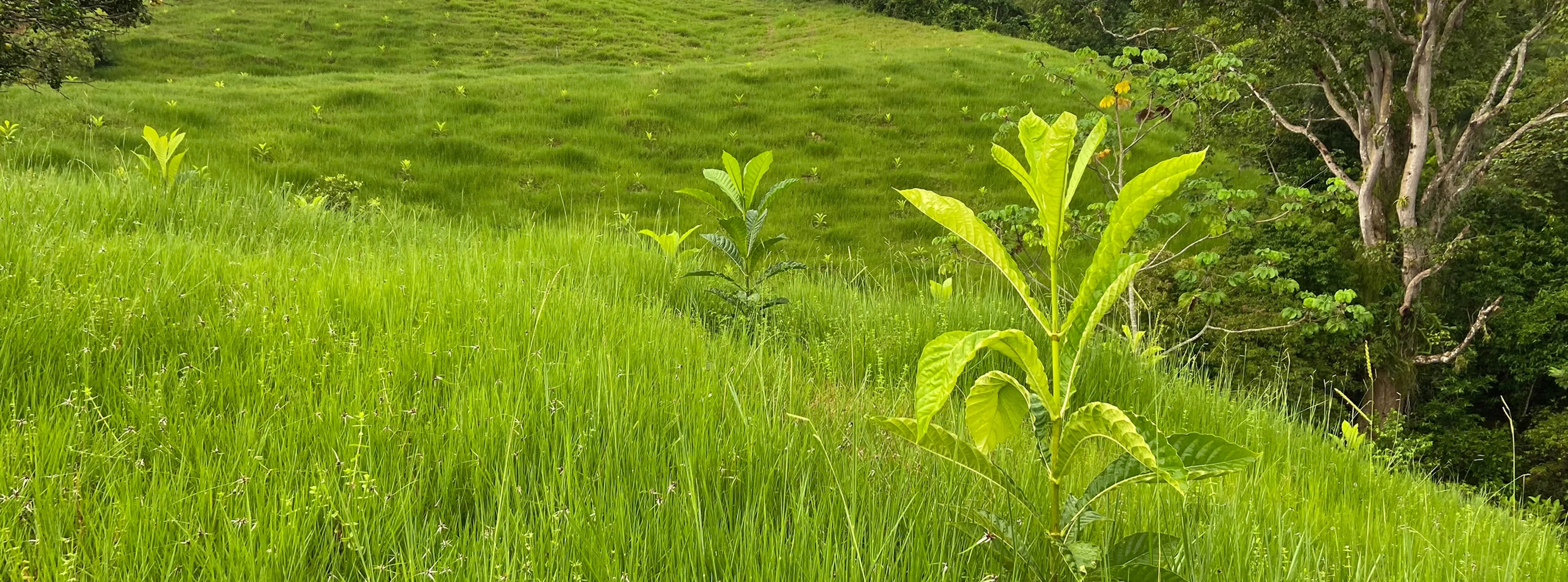
The pigment is derived from the jagua fruit (Genipa americana) and is responsibly sourced in Colombia, ethically developing small farmers and indigenous communities as suppliers.
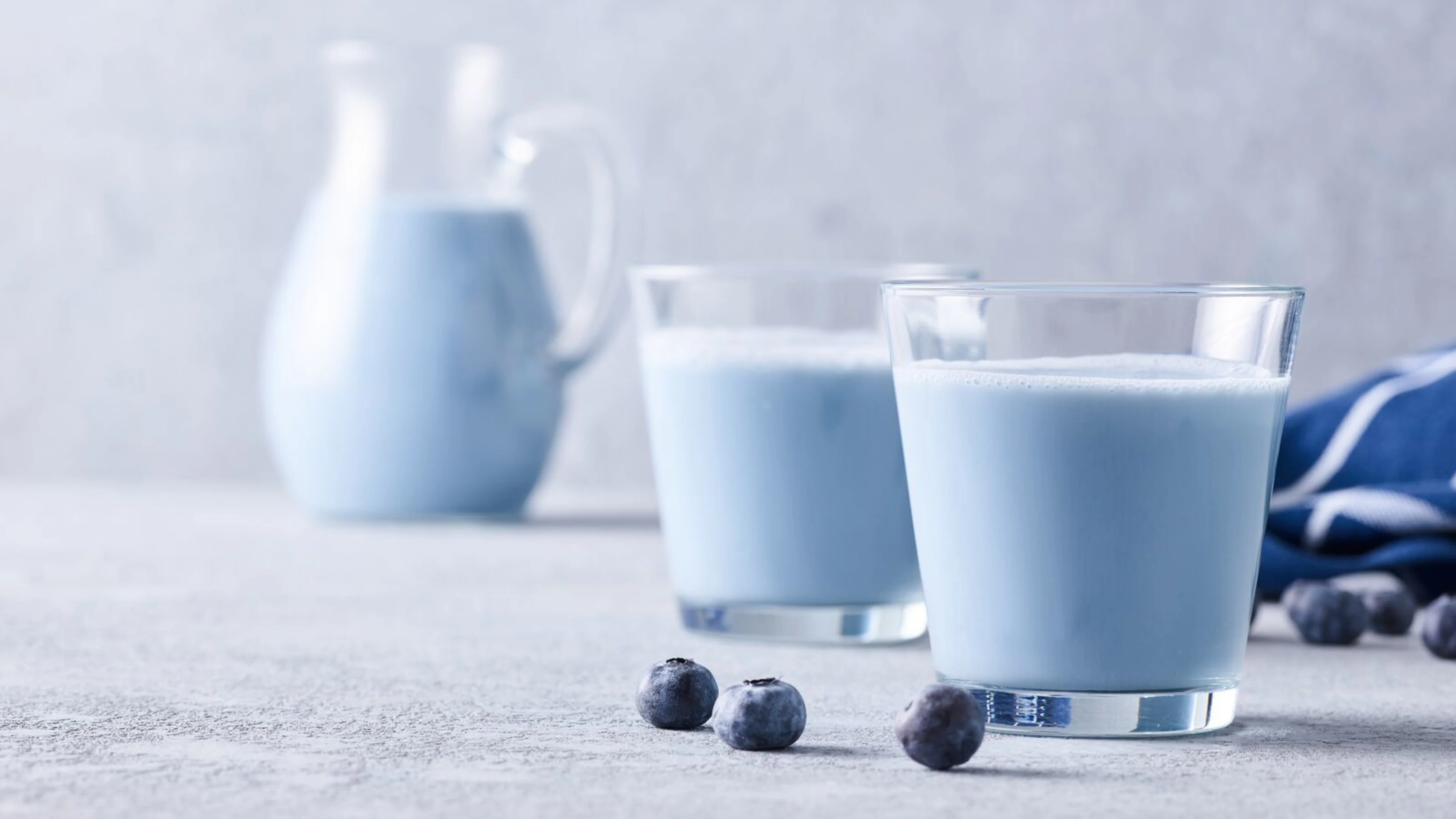
The US Food and Drug Administration’s (FDA) announcement approving Jagua Blue as a food colorant for a wide range of applications marks a significant achievement for Ecoflora Cares, a Certified B Company. They developed and patented the technology and the production process as well as petitioned for the product’s approval. Jagua Blue, a color derived from the fruit of the jagua tree (also known as huito), offers a safe and vibrant, naturally sourced blue color that can be blended with other natural colors to create vivid and stable green, purple, and brown shades. This is the first acid-stable natural blue to be approved and is the only Jagua blue that has been reviewed and deemed safe by FDA.
For Ecoflora Cares’ co-founder and Executive Chair Nicolás Cock Duque this is an exciting milestone for the company. “The development of Jagua Blue by Ecoflora Cares has made our dream of coloring the world with our natural blue tangible. We are proud to deliver the spirit of tropical forests while raising awareness to millions of consumers around the world about the importance of its protection and regeneration.”
Oterra, the world's largest provider of natural colors, will leverage its own scientific and application expertise in an exclusive collaboration with Ecoflora Cares to introduce and grow this newly approved color additive within the US food and beverages market.
Oterra CEO Mads Winther Dehlsen shares the excitement. “This partnership is an example of our "Together towards Natural" sustainability strategy put into action. It’s answering the food and beverage market’s longstanding need for a robust natural blue. Ecoflora Cares’ expertise is a perfect match for Oterra’s and together we’re excited about this unique natural blue that meets the needs of our customers, their consumers, and the planet.”
Ecoflora Cares has developed sustainable supply chain solutions for this Colombian-grown fruit. A Certified B Company and a member of the Union for Ethical Biotrade, Ecoflora Cares works with small farmers and indigenous communities using a positive impact business model. The jagua trees are under agroforestry and silvopastoral plantations as a nature-based solution benefitting society, nature, and climate. In its supplier development program, Ecoflora Cares has provided technical accompaniment, family mentoring, and supplier knowledge to the small farmers and indigenous communities who cultivate the jagua.
Utilizing this sustainable and ethically sourced raw material, Oterra and Ecoflora Cares offer food and beverage manufacturers the opportunity to completely revolutionize the use of natural blue colors in their products without having to compromise on product quality, stability, or technical performance.
For Oterra’s Chief Innovation Office, Luc Ganivet, this is a truly exciting development that will greatly benefit Food and Beverage manufacturers. “ Given its high color concentration and its robustness towards heat, light, and acidity, Jagua Blue is an easy-to-use, cost-effective natural blue. It means manufacturers can now create natural shades of green and purple that were previously impossible to achieve without using artificial colors.”
For more information on Jagua (Genipin-Glycine) Blue color additive options for FDA-approved applications in the USA such as dairy and non-dairy drinks, yogurt, ice cream, tortilla snacks, ready-to-eat cereal, and candy, visit oterra.com
About Ecoflora Cares
Ecoflora Cares exists “to nurture a colorful and wonderful world, naturally”, and one of its missions is to bring blue to life and to the global market. Ecoflora Cares is a bio-innovations factory that develops high-value-added products from Colombia's botanical biodiversity for the global food and beverages, cosmetics, personal care, pet food, textiles, inks, and dyes, and temporary tattoos industries, while generating positive impacts on society, nature, and climate throughout its value chain. As a Union for Ethical BioTrade Member and a Certified B Company, Ecoflora Cares is a tangible example of ethical and sustainable biotrade using biodiversity in a legitimate way. For more information about Ecoflora, visit www.ecofloracares.com