Article | Dec 02. 2025 - 4:07PM
European Food Safety Authority greenlights natural Jagua blue
The European Food Safety Authority has issued a positive scientific opinion on Jagua blue, a natural blue pigment derived from the jagua fruit
With no safety concerns raised, the path is now open for the European Commission to grant final market authorization. This marks a critical regulatory milestone and could soon bring a new natural blue food-color to Europe’s shelves.
This news builds on a string of international approvals: Jagua blue has already secured regulatory clearance from bodies including the Food and Drug Administration (FDA), Codex Alimentarius Commission (for global standardization), as well as Mercosur countries in Latin America.
When the EU formally authorizes Jagua blue – expected between June and August 2026 – European food and beverage manufacturers will gain access to a stable, high-strength natural blue for applications across food and beverages.
Read more about the opinion here
Origins in the jungle
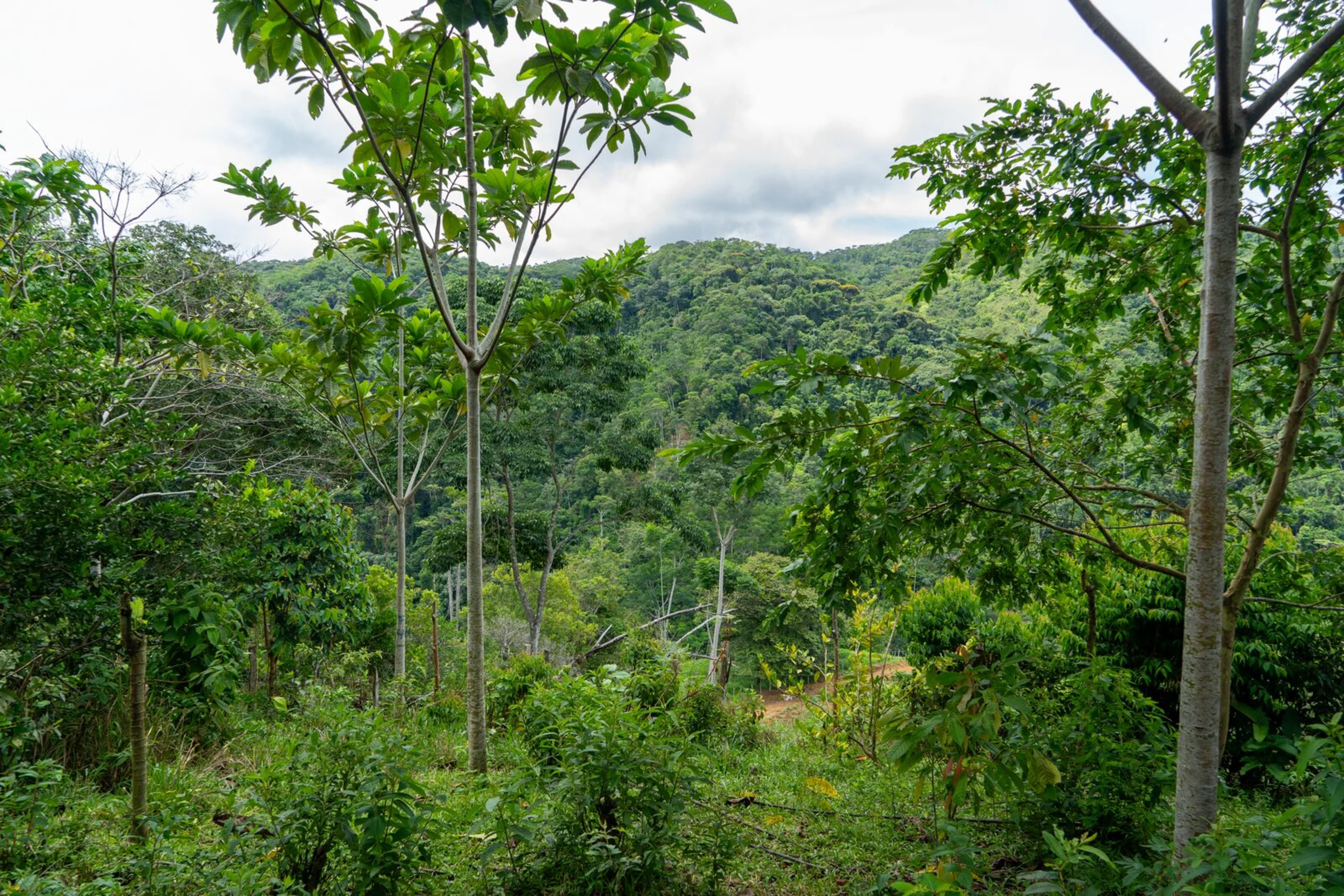
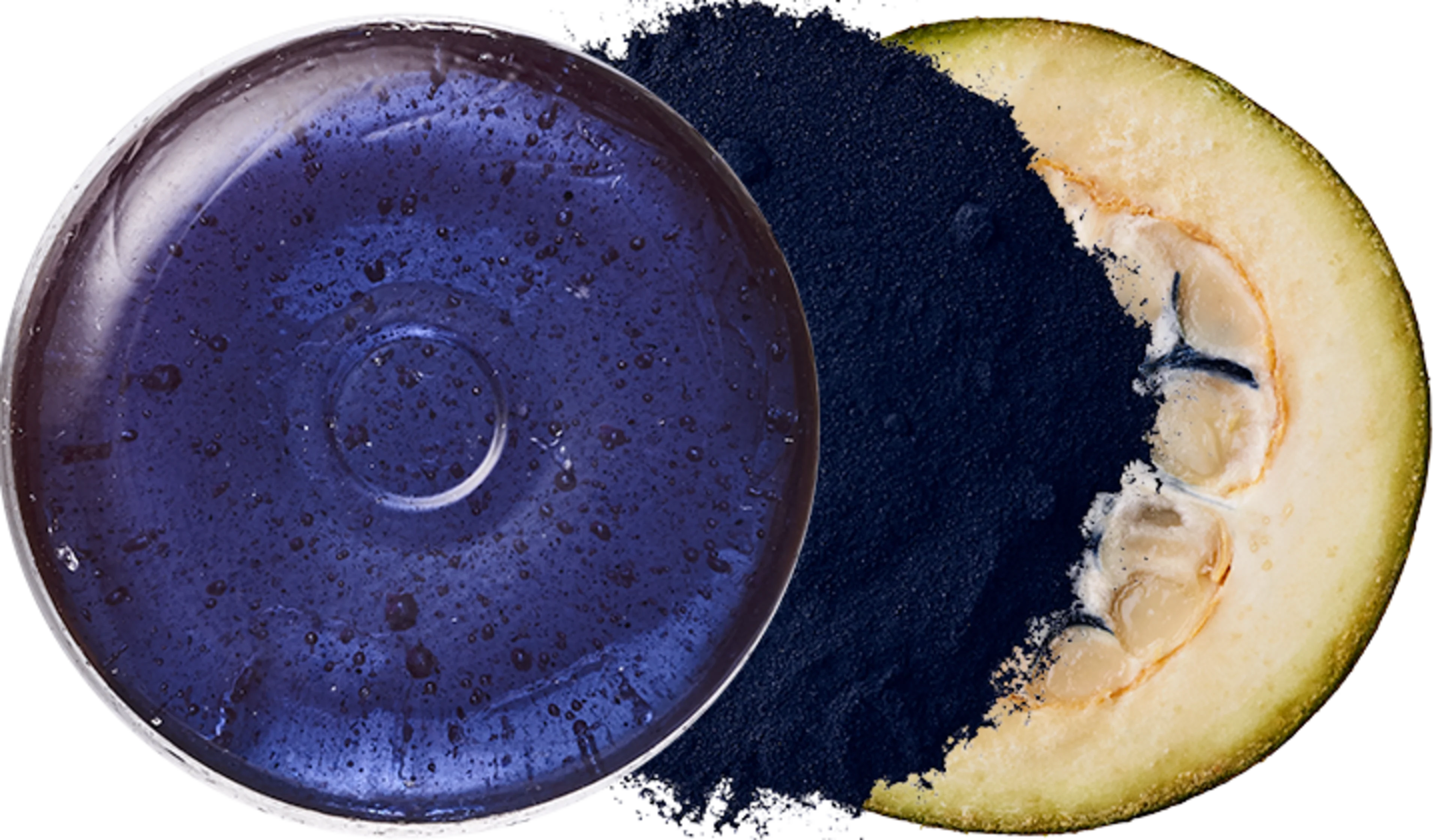
Jagua blue originates from the fruit of the tropical tree Genipa americana, commonly called jagua or huito, which grows in the forests of South America, southern Mexico and the Caribbean. The pigment responsible for its intense blue is made of complex molecular chains known as genipin polymers.
To harvest a usable pigment for the food industry, the fruit must be collected while unripe when genipin concentrations are highest before they naturally diminish during ripening. Through a carefully managed, traceable supply chain in Colombia, Oterra partner Ecoflora Cares, harvests the raw material for conversion into Jungle Blue
Ecoflora Cares has developed sustainable supply chain solutions for this Colombian-grown fruit. As a Certified B Company and a member of the Union for Ethical Biotrade, Ecoflora Cares collaborates with small farmers and Indigenous communities using a positive impact business model.
The jagua trees are grown in plantations with other trees as a nature-based solution benefiting society, nature, and climate. In its supplier development program, Ecoflora Cares has provided technical knowledge, family mentoring, and supplier knowledge to the small farmers and Indigenous communities who cultivate the jagua. In a region previously affected by drug trade, commercial production of jagua provides income to rural ethnic communities.
By combining the rainforest-origin pigment from Ecoflora Cares with Oterra’s global scale, regulatory expertise, and application expertise, Jagua blue has moved from botanical extract to commercially viable ingredient - ready for the global food supply.
Jagua blue has several benefits:
Stability across pH, light and temperature:
The genipin-based pigment remains stable, does not flocculate or precipitate, and retains its shade even in acidic or heat-treated products.
Thermal and process robustness:
It tolerates high-temperature processes like extrusion, making it suitable for cereals, extruded snacks, and baked goods.
Easy formulation:
As a water-soluble pigment, it dissolves quickly and evenly with simple agitation — ideal for dry mixes, instant icings or drink powders.
Versatile color palette:
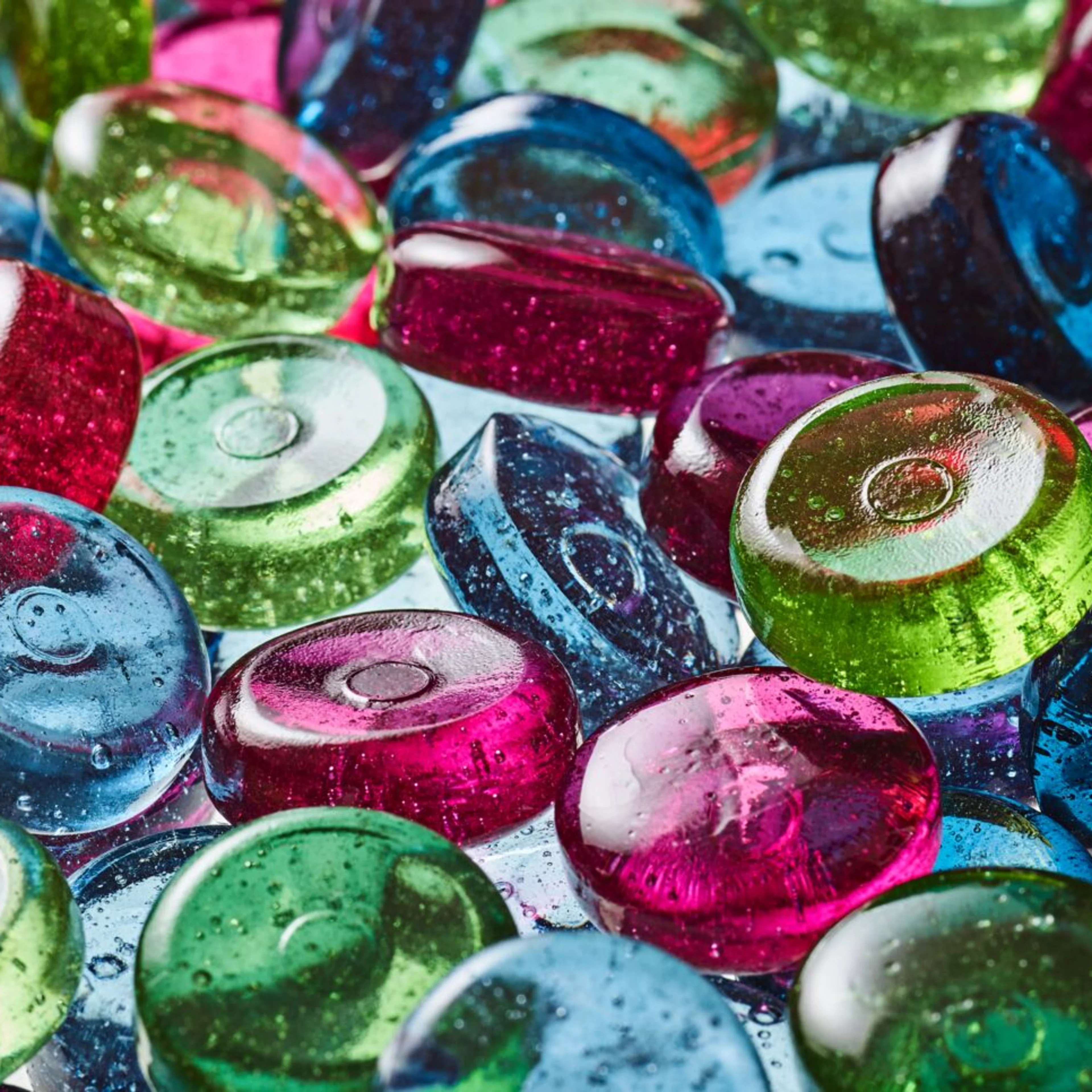
Because it serves as a stable primary blue, Jungle Blue can be blended with natural yellows or reds to yield vivid greens and purples — unlocking a broader spectrum of natural colors for food applications.
In short, Jagua blue combines the performance of synthetic dyes with the consumer demand for clean-label, naturally sourced ingredients.
A trail of global approvals
Jagua blue’s journey to global acceptance has been steady — but each approval has expanded its reach and strengthened its regulatory legitimacy:
December 2023: the FDA approved Jagua (genipin–glycine) Blue as a food colorant in the U.S. — addressing a major industry need for an acid-stable natural blue.
January 2025: the Codex Alimentarius Commission (CAC) approved Jagua Blue (INS 183) — making it the first-ever natural blue additive recognized under Codex standards. The approval covers 21 food categories (e.g., dairy-based desserts, fruit preparations, flavored drinks, confectionery, cereals, snack products).
June 2025: Jagua Blue achieved regulatory acceptance in the member countries of MERCOSUR (Argentina, Brazil, Paraguay, Uruguay and associated states). Implementation will follow national regulations.
What the EFSA opinion could unlock for manufacturers
With EFSA’s green light, in six to nine months Europe will welcome Jagua Blue as a fully authorized natural food color. For food and beverage manufacturers that could open the door to:
Replacing synthetic blues with a robust, natural alternative that meets consumer demand for clean-label ingredients.
Expanding their color toolbox: not only blue, but natural greens and purples by blending.
Launching a broader variety of products - from RTD drinks, confectionery, dairy desserts, and fruit-based products to cereals, snacks and baked goods. All with naturally derived coloring.
Telling a sustainable, traceable sourcing story: Jagua blue comes from a biodiverse rainforest, supports small farmers and Indigenous communities, and is processed under ethical, traceable supply-chain standards.
"Jagua blue comes from a biodiverse rainforest, supports small farmers and Indigenous communities, and is processed under ethical, traceable supply-chain standards"
Read more about Jungle Blue
Jagua blue approved in MERCOSUR
Article
Jun 04. 2025 - 12:07PM
This approval joins existing ones by the FDA and CODEX. Implementation will follow on a country-by-country basis, and according to MERCOSUR regulations, it must be completed by October 21, 2025
Simple and Versatile In partnership with Ecoflora Cares, Oterra has unlocked the remarkable properties of jagua blue to produce Jungle Blue an incredible, naturally derived food colorant that’s set to revolutionize the way we think about blue in food.
Oterra uses jagua fruit to produce Oterra Jungle Blue, a safe and vibrant, naturally sourced blue color that can be blended with other natural colors to create vivid and stable green and purple shades.
Oterra’s Jungle Blue is unlike any other natural blue. It offers excellent stability to light, pH variations, and temperature changes —maintaining its mesmerizing blue shade in a wide range of conditions. It’s the ideal solution for coloring foods where synthetic dyes have long dominated —cereals, snacks, juice-based beverages, and more!
Supporting local communities Deep in the heart of Colombia’s rainforest river valleys grows the Jagua fruit (Genipa americana). This remarkable fruit, also known as huito, holds within it a crystal-clear juice that, when skillfully extracted, unveils a captivating, stable blue hue.
Ecoflora Cares has developed sustainable supply chain solutions for this Colombian-grown fruit. As a Certified B Company and a member of the Union for Ethical Biotrade, Ecoflora Cares works with small farmers and indigenous communities using a positive impact business model.
The jagua trees are grown in plantations with other trees as a nature-based solution benefitting society, nature, and climate. In its supplier development program, Ecoflora Cares has provided technical know-how, family mentoring, and supplier knowledge to the small farmers and indigenous communities who cultivate the jagua. In a region previously affected by drug trade, commercial production of jagua provides income to rural ethnic communities. Regular audits focus on safety during harvest and the prevention of child labor.
A palette of possibilities This water-soluble pigment isn't limited to just one shade. When combined with other colors, Jungle Blue unlocks a spectrum of stunning jewel shades. Picture deep forest emeralds, crimson rubies, and royal amethysts—all stemming from Jungle Blue, transformed into stable, vivid green and purple shades.
Jagua Blue gets a wider audience with Codex approval
Article
Jan 16. 2025 - 12:55PM
Codex approval is highly relevant worldwide as an international organization founded by the World Health Organization (WHO) and Food and Agriculture Organization (FAO). It sets Standards and Guidelines for additives in a wide range of food and beverages. Codex Standards influence the everyday health of consumers when they are applied by industry and are used to guide food safety authorities and food businesses operators on good practices and safe maximum levels of additives, as well as contaminants, pesticides, and veterinary drug residues.
The decision by the Codex Alimentarius Commission clears the way for the use of Jagua blue in 21 food categories such as dairy-based desserts, fruit preparations, flavored milk drinks, confectionery, fat-based desserts, and cereals.
Explore the official details here: GSFA Online Food Additive Details for Jagua (genipin-glycine) blue.
For many countries, Codex Standards and Guidelines are the basis for national legislation. In some cases, especially in LATAM, APAC, and MEA regions, countries refer directly to these Standards or let Codex Standards prevail unless local regulations are to be followed. Thereof, products with Jagua blue can now be sold in countries such as Malaysia, Cambodia, Laos, Philippines, Peru, Bolivia, Ecuador, Costa Rica, Guatemala, South Africa, Kenya, and others.
The whole approval process of Jagua (genipin-glycine) blue at the Codex Alimentarius took around four years, including safety evaluation of this new vibrant blue by the JECFA (Joint FAO/WHO Expert Committee on Food Additives).
The US Food and Drugs Administration (US FDA) approved Jagua (genipin-glycine) blue in December 2023, joining other territories such as India, Brazil, Colombia, and Mexico where it was already approved for use. Oterra has been selling the pigment using the brand name ‘Jungle Blue’ in these territories.
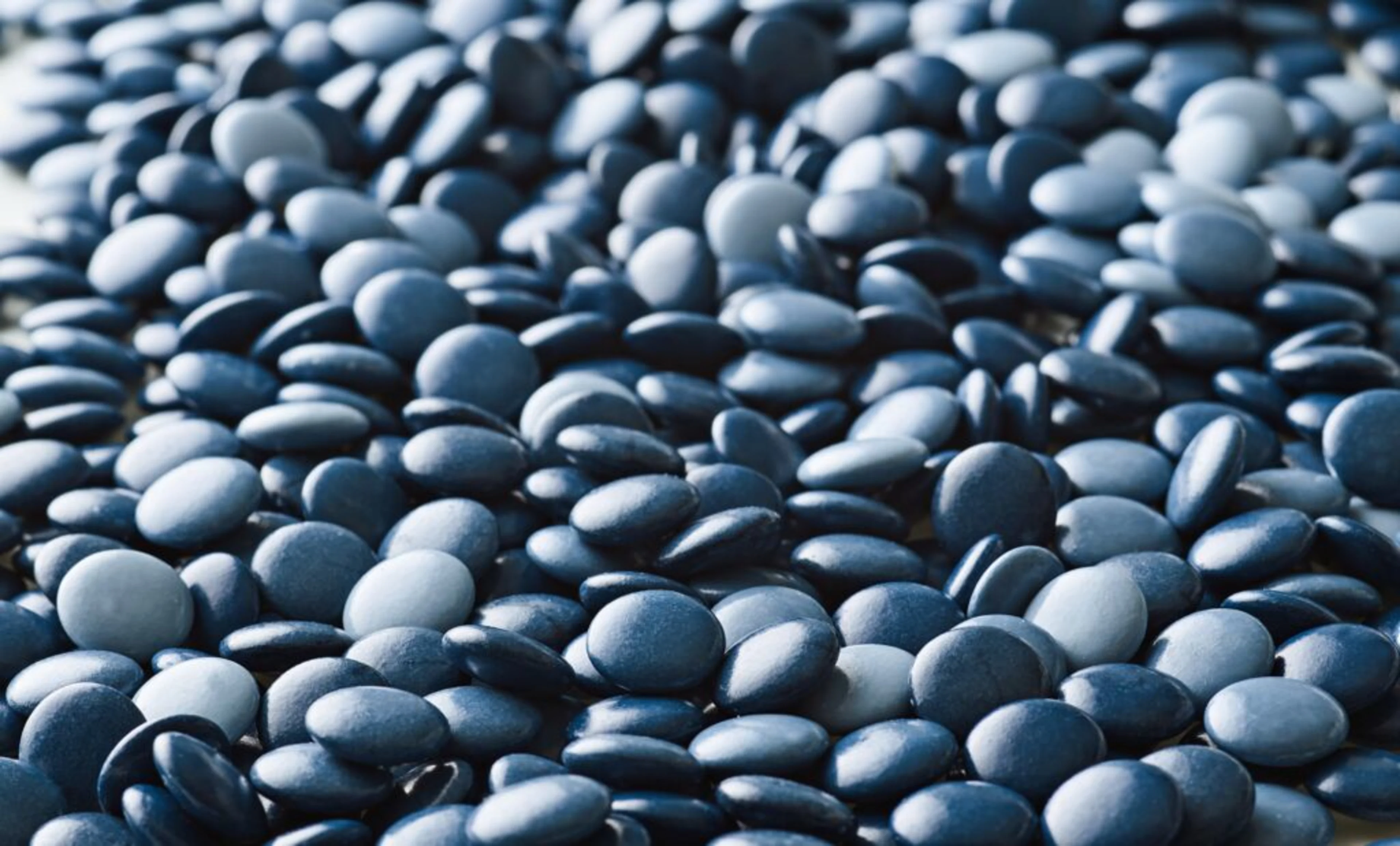
Derived from the Jagua fruit, or huito fruit, in Colombia, Jagua blue offers a naturally sourced, high-strength blue pigment for food categories.
Oterra uses jagua fruit in its Jungle Blue formulation. It is pH stable in all common food applications, and it does not flocculate, precipitate, or change shade in acidic environments.
With its ability to withstand thermal processes, Jagua blue is also perfect for high-temperature applications such as extrusion. It can be blended into the dry mix before extrusion or dissolved into the water added into the extruder barrel. Either way, fantastic blue cereal can finally be produced.
It is easy to combine Jagua blue into dry powder blends because it dissolves quickly in water, giving a strong and even color. Simple agitation is enough to ensure full dissolution. This makes Jagua blue perfect for instant frosting and icing mixes where only a little water is added before it is all mixed and the product is good to use.
Jungle Blue does not just deliver brilliant blue—it also combines with yellow or red pigments to produce vivid green and purple shades.
If you think some of these changes could influence your food production, or you want help navigating the new regulatory updates or implementing them in your products, contact our Commercial team. We have experts around the world waiting to support you!
True blue – we go to the ends of the earth to meet your natural color needs
Article
Jan 08. 2024 - 1:59PM
As Oterra’s Head of Applications and Regulatory Affairs in the US, I am often approached for solutions to replace synthetic blue colors in a range of applications.
Consumers are demanding healthier and more sustainable ingredients and colors from natural sources are an important part of this. Manufacturers are trying hard to satisfy these demands, but with some colors, particularly blues, greens, and purples, it has not been easy.
There are a few natural blue options on the market including butterfly pea and spirulina extract with each having its strengths and weaknesses. Butterfly pea is an anthocyanin that can remain blue at higher pH levels, but turns purple in more acidic environments.
Spirulina provides a beautiful, clear blue similar to FD&C Blue #1. It’s perfect for low-temperature, neutral pH applications, but will rapidly fade in high-temperature baking processes. Also, since spirulina is a popular, high-value food supplement, using it for color will always compete with its use as a supplement, making it difficult to substantially reduce the price.
Oterra’s Jungle Blue range of jagua blue natural colors
Jagua blue is a water-soluble color that comes from the fruit of the jagua tree. It delivers a deep blue shade, more similar to that of FD&C Blue #2 than to the “primary blue” of Blue #1. The pigment is a genipin polymer, which is a very stable molecular chain. It’s pH stable in all common food applications, and it doesn’t flocculate, precipitate, or change shade in acidic environments. This makes jagua blue ideal for non-alcoholic fruit beverages, confectionery, and fruit preparations.
With its ability to withstand thermal processes, Jagua blue is also perfect for high-temperature applications such as extrusion. It can be blended into the dry mix before extrusion or dissolved into the water added into the extruder barrel. Either way, a fantastic blue cereal can finally be produced.
It’s easy to combine into dry powder blends and quickly dissolves in water, giving a strong and even color. Simple agitation is enough to ensure full dissolution. This makes Jagua blue perfect for instant frosting and icing mixes where only a little water is added before it’s all mixed and the product is good to use.
Delve deeper into the wonders of Jungle Blue
In our marketing materials, we allude to a “journey” or an “adventure.” It’s fun because of jagua’s jungle origins, but it’s also relevant because a stable primary color blue opens the door to exploring all sorts of color blends. To experiment with green, try turmeric, orange carrot, palm fruit, carotene, and annatto. In the other direction of the color wheel, there are a myriad of pink and red natural colors including Oterra’s exclusive red ‘Hansen sweet potato’ to produce purple shades. A whole rainbow of naturally colored RTE cereals and extruded snacks is now possible to delight kids and their parents.
With halal & kosher suitability and non-GMO status, Jagua blue is a great leap forward in natural blue colors. It plugs many of the gaps we may have previously struggled to fill.
Oterra and Ecoflora Cares join forces to build a world of responsibly sourced naturally colored foods in Blues and beyond
Press Release
Dec 05. 2023 - 5:00PM
The pigment is derived from the jagua fruit (Genipa americana) and is responsibly sourced in Colombia, ethically developing small farmers and indigenous communities as suppliers.
The US Food and Drug Administration’s (FDA) announcement approving Jagua Blue as a food colorant for a wide range of applications marks a significant achievement for Ecoflora Cares, a Certified B Company. They developed and patented the technology and the production process as well as petitioned for the product’s approval. Jagua Blue, a color derived from the fruit of the jagua tree (also known as huito), offers a safe and vibrant, naturally sourced blue color that can be blended with other natural colors to create vivid and stable green, purple, and brown shades. This is the first acid-stable natural blue to be approved and is the only Jagua blue that has been reviewed and deemed safe by FDA.
For Ecoflora Cares’ co-founder and Executive Chair Nicolás Cock Duque this is an exciting milestone for the company. “The development of Jagua Blue by Ecoflora Cares has made our dream of coloring the world with our natural blue tangible. We are proud to deliver the spirit of tropical forests while raising awareness to millions of consumers around the world about the importance of its protection and regeneration.”
Oterra, the world's largest provider of natural colors, will leverage its own scientific and application expertise in an exclusive collaboration with Ecoflora Cares to introduce and grow this newly approved color additive within the US food and beverages market.
Oterra CEO Mads Winther Dehlsen shares the excitement. “This partnership is an example of our "Together towards Natural" sustainability strategy put into action. It’s answering the food and beverage market’s longstanding need for a robust natural blue. Ecoflora Cares’ expertise is a perfect match for Oterra’s and together we’re excited about this unique natural blue that meets the needs of our customers, their consumers, and the planet.”
Ecoflora Cares has developed sustainable supply chain solutions for this Colombian-grown fruit. A Certified B Company and a member of the Union for Ethical Biotrade, Ecoflora Cares works with small farmers and indigenous communities using a positive impact business model. The jagua trees are under agroforestry and silvopastoral plantations as a nature-based solution benefitting society, nature, and climate. In its supplier development program, Ecoflora Cares has provided technical accompaniment, family mentoring, and supplier knowledge to the small farmers and indigenous communities who cultivate the jagua.
Utilizing this sustainable and ethically sourced raw material, Oterra and Ecoflora Cares offer food and beverage manufacturers the opportunity to completely revolutionize the use of natural blue colors in their products without having to compromise on product quality, stability, or technical performance.
For Oterra’s Chief Innovation Office, Luc Ganivet, this is a truly exciting development that will greatly benefit Food and Beverage manufacturers. “ Given its high color concentration and its robustness towards heat, light, and acidity, Jagua Blue is an easy-to-use, cost-effective natural blue. It means manufacturers can now create natural shades of green and purple that were previously impossible to achieve without using artificial colors.”
For more information on Jagua (Genipin-Glycine) Blue color additive options for FDA-approved applications in the USA such as dairy and non-dairy drinks, yogurt, ice cream, tortilla snacks, ready-to-eat cereal, and candy, visit oterra.com
About Ecoflora Cares
Ecoflora Cares exists “to nurture a colorful and wonderful world, naturally”, and one of its missions is to bring blue to life and to the global market. Ecoflora Cares is a bio-innovations factory that develops high-value-added products from Colombia's botanical biodiversity for the global food and beverages, cosmetics, personal care, pet food, textiles, inks, and dyes, and temporary tattoos industries, while generating positive impacts on society, nature, and climate throughout its value chain. As a Union for Ethical BioTrade Member and a Certified B Company, Ecoflora Cares is a tangible example of ethical and sustainable biotrade using biodiversity in a legitimate way. For more information about Ecoflora, visit www.ecofloracares.com