Article | May 28. 2026 - 11:55AM
A colorful beginning: how Oterra’s journey in America started in 1876
Oterra has a heritage that stretches back 150 years when the first natural food colorings were introduced to the American public at the World's Fair in Philadelphia.
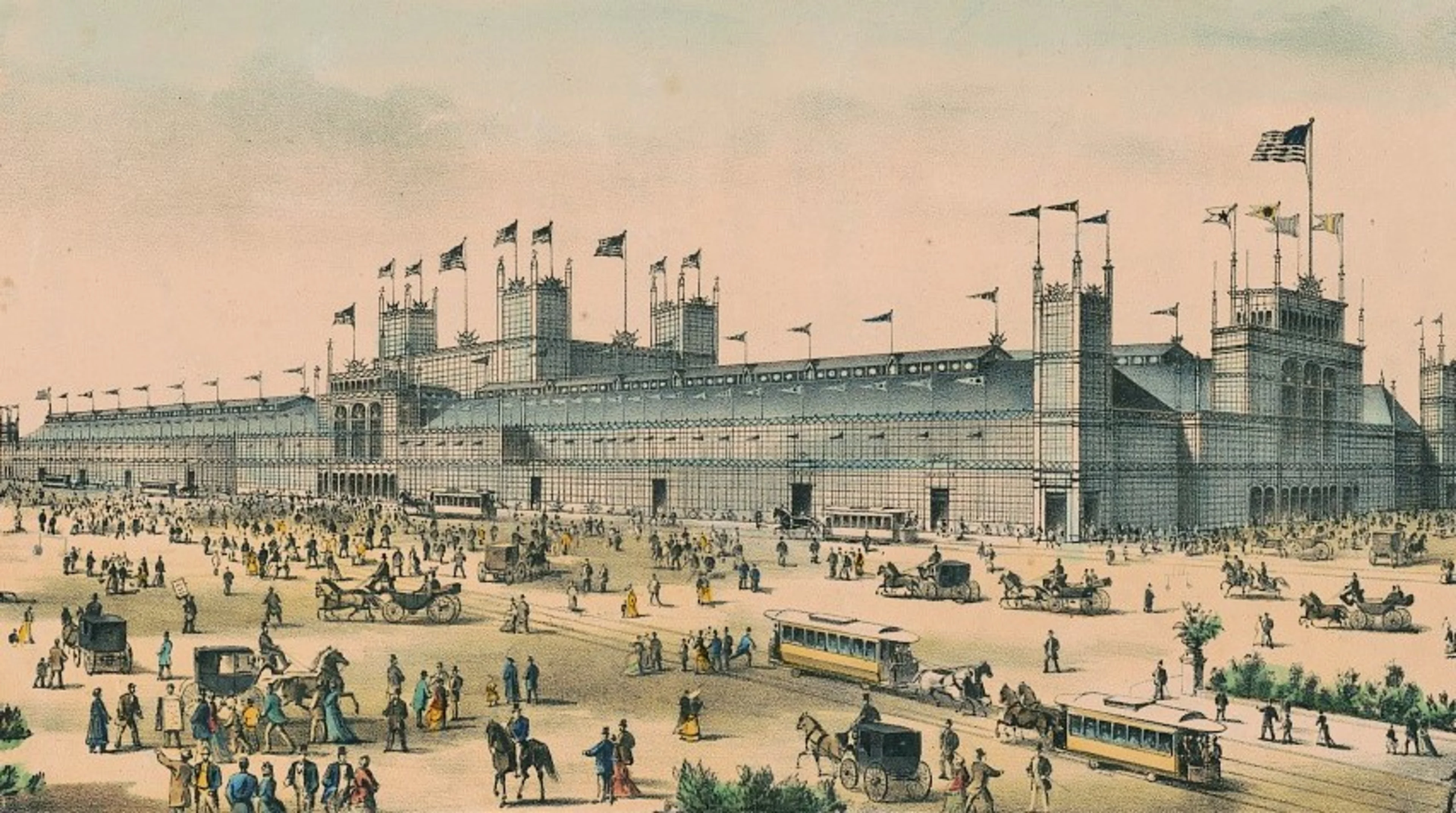
The Centennial International Exhibition in Philadelphia in 1876 was a ‘coming of age’ party for the United States, showcasing its rapid transformation from a rural agricultural society to a world industrial power.
More than 30,000 exhibitors from 50 countries were arranged in the five massive halls, with the 35-acre Main Hall taking center stage. It was the largest building ever constructed at the time and was more than one-third of a mile in length.
Telephones, envelopes, and ketchup
On display to the nearly 10 million visitors that flocked to the first official World’s Fair in the U.S. were the wonders of the age such as Alexander Graham Bell’s telephone, the Remington typewriter, a Lockwood envelope-making machine, Heinz tomato ketchup, popcorn - and a natural butter and cheese coloring pigment from an unknown Danish company that would soon build a large brand in the U.S.
The centennial exhibition was the first time Chr. Hansen had introduced its natural colors to the American public. And 150 years later, the natural colors division of the company still exists on its own – now under the new name Oterra.
While we know little of what happened during the early years of the company – the records were lost – the United States very quickly became an important market for ‘Danish Butter and Cheese Color’ from Chr. Hansen.
The color of spring
The use of coloring to give butter and cheese the rich, yellow color that consumers linked to spring and early summer had grown as the dairy industry expanded and became more sophisticated, bringing well-produced butter and cheese to a wider audience. Carrots were used traditionally, but in the 1860s annatto from the Bixa orellana shrub started to be used. It was annatto that Chr. Hansen introduced in 1876 and which formed the bulk of its natural color portfolio.
A few years after the exhibition, the company opened a representative office in New York in 1878 but quickly decided to start production in the U.S. and moved to Little Falls, New York State, then the cheese capital of the nation.
U.S. expansion paves the way
The U.S. economy was growing rapidly. Industry and population were booming, and the geographic expansion to the west had created a large and growing market for dairy products – including cheese.
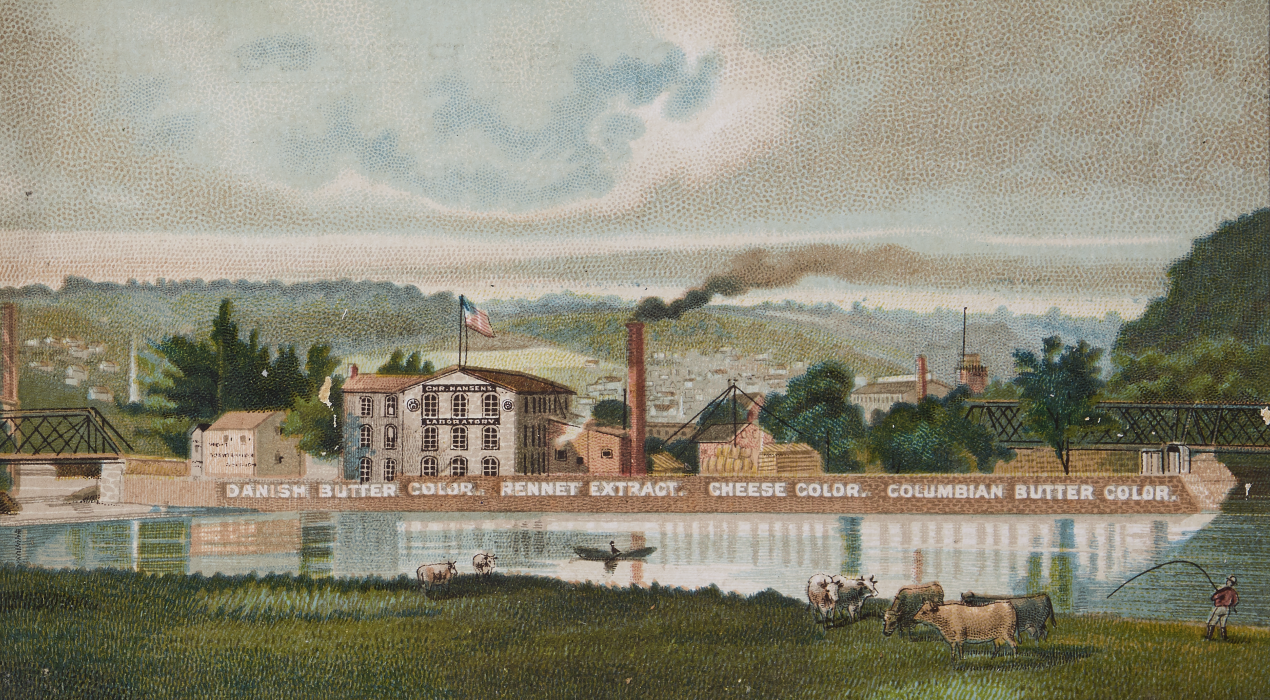
To meet this demand, in 1890 the company bought Lock Island in the Mohawk River. Renamed Hansen Island, it became one of two factories serving the world. Little Falls served the U.S., Canada and Mexico, while the Danish factory sold to Europe, Australia and New Zealand, and South America.
Expansion continued and the company outgrew Little Falls and looked for a suitable location for a second American factory. The solution was found in Milwaukee, which gave better access to the central and western U.S. This became the American headquarters of Chr. Hansen – and later Oterra – in the U.S. from 1929.
A new era for Oterra
Chr. Hansen’s Natural Color Division was sold in 2021 and became Oterra the same year. In 2025, Oterra opened a state-of-the art innovation, collaboration, and production hub in Mt. Pleasant, Wisconsin, maintaining its historical links to the area.
And now in 2026, a growing number of environmentally conscious and health-focused U.S. consumers are turning to natural colors to answer the demand for food that’s safe to eat with quality ingredients that can be trusted.
Oterra’s 150 years’ experience in pioneering natural colors in the U.S. market is ready to help with sourcing of raw materials and the supply of colors and color solutions that can satisfy both the food and beverage industry and their customers.

"The United States very quickly became an important market for ‘Danish Butter and Cheese Color’ "

Converting to natural colors
Supporting U.S. food and beverage brands
In 2025 Oterra wrote the next chapter in its history in the U.S. with the opening of a 155,000 sq ft (14,400 m2) headquarters combining innovation and application labs with a new manufacturing and logistics facilities to meet the expected growth of natural colors and coloring foodstuffs in the country.
Customers and partners can work directly with Oterra’s team of regulatory and application experts to find the perfect natural shade as they innovate and develop new products or reformulate with natural colors to help deliver on consumer demands faster.