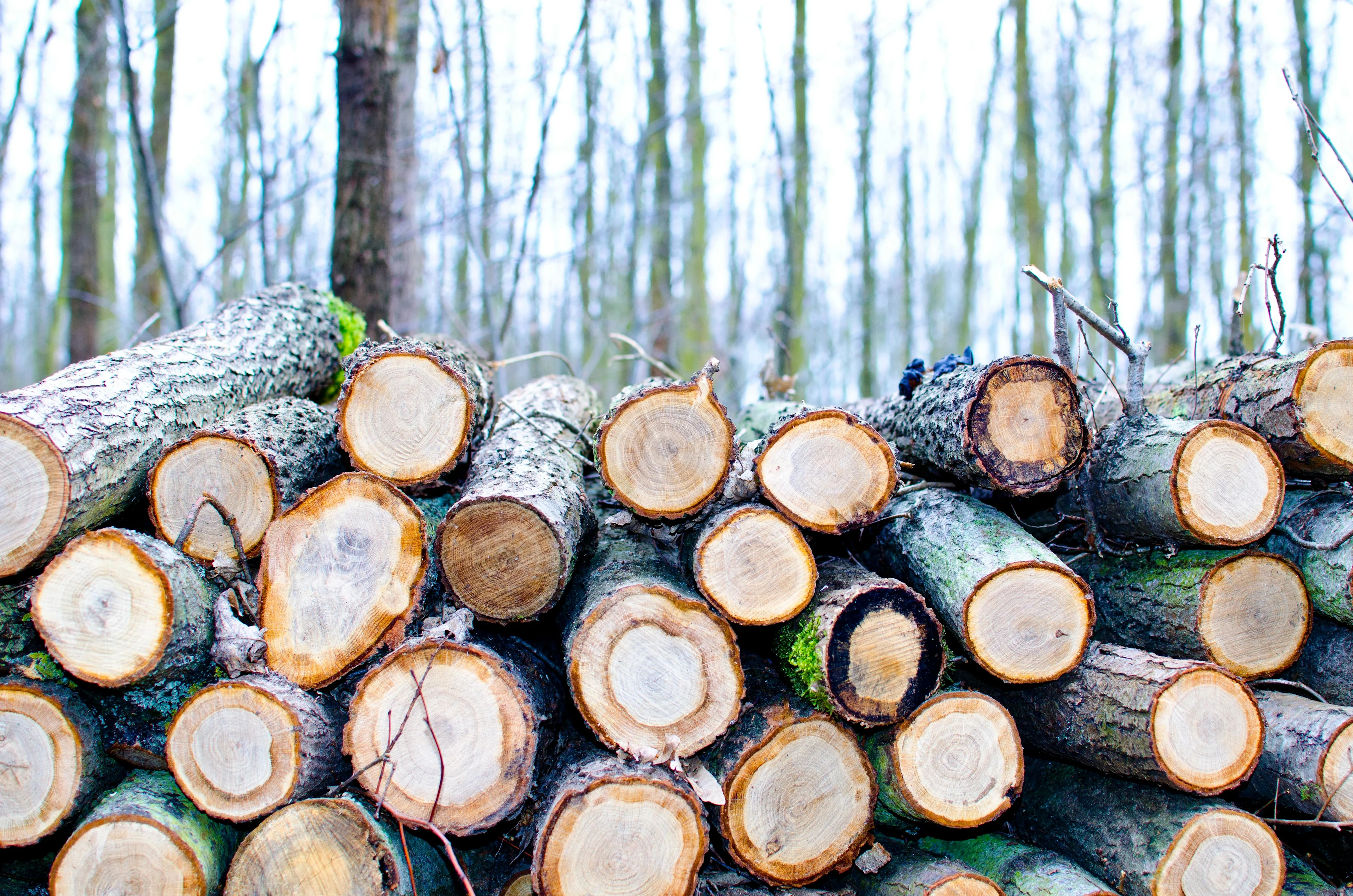
FSC certified wood pulp
The Fundamentals
Active ingredient: Cellulose
Five facts about FSC certified wood pulp
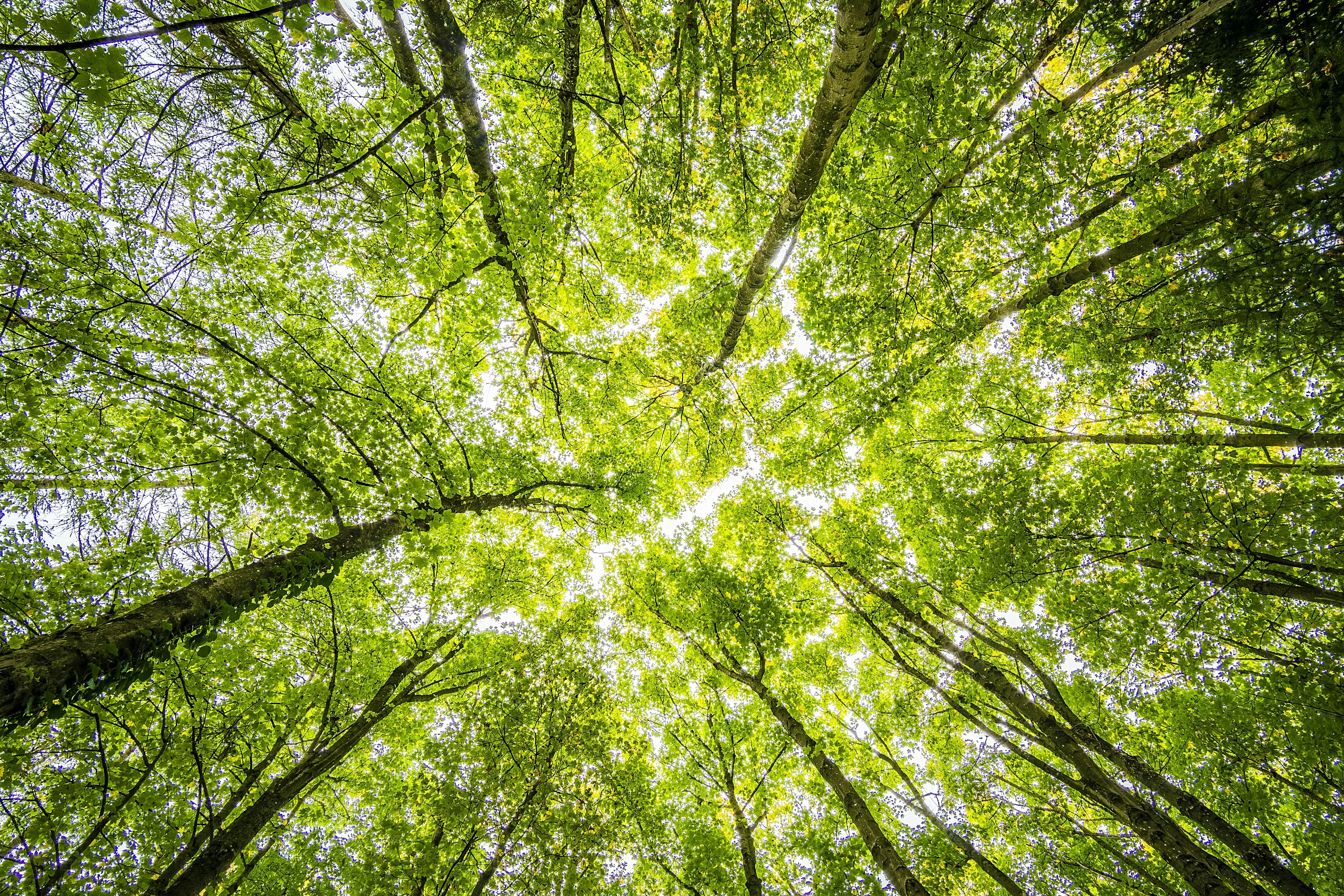
Forest Stewardship Council (FSC certified forests) are managed so there is no net loss of forest area over time. Trees are either replanted or allowed to regenerate naturally after Forest Stewardship Council (FSC certified forests) are managed so there is no net loss of forest area over time. Trees are either replanted or allowed to regenerate naturally after harvesting, ensuring the forest is maintained. harvesting, ensuring the forest is maintained.

The FSC certification is internationally recognized as the "gold standard" for responsible forest management and is the only wood certification system endorsed by major environmental NGOs like WWF and Greenpeace.
Certification includes rigorous social standards that require respecting the legal and customary rights of Indigenous Peoples and consulting local communities about forest management activities.

FSC standards require forest managers to identify and maintain High Conservation Values (HCVs), which include areas vital for biodiversity (like old-growth forests) and protecting rare animal and plant species.

Cellulose from wood pulp is highly purified to make it identical to that found in common fruits and vegetables. It is a common ingredient across a wide range of food and beverage products.
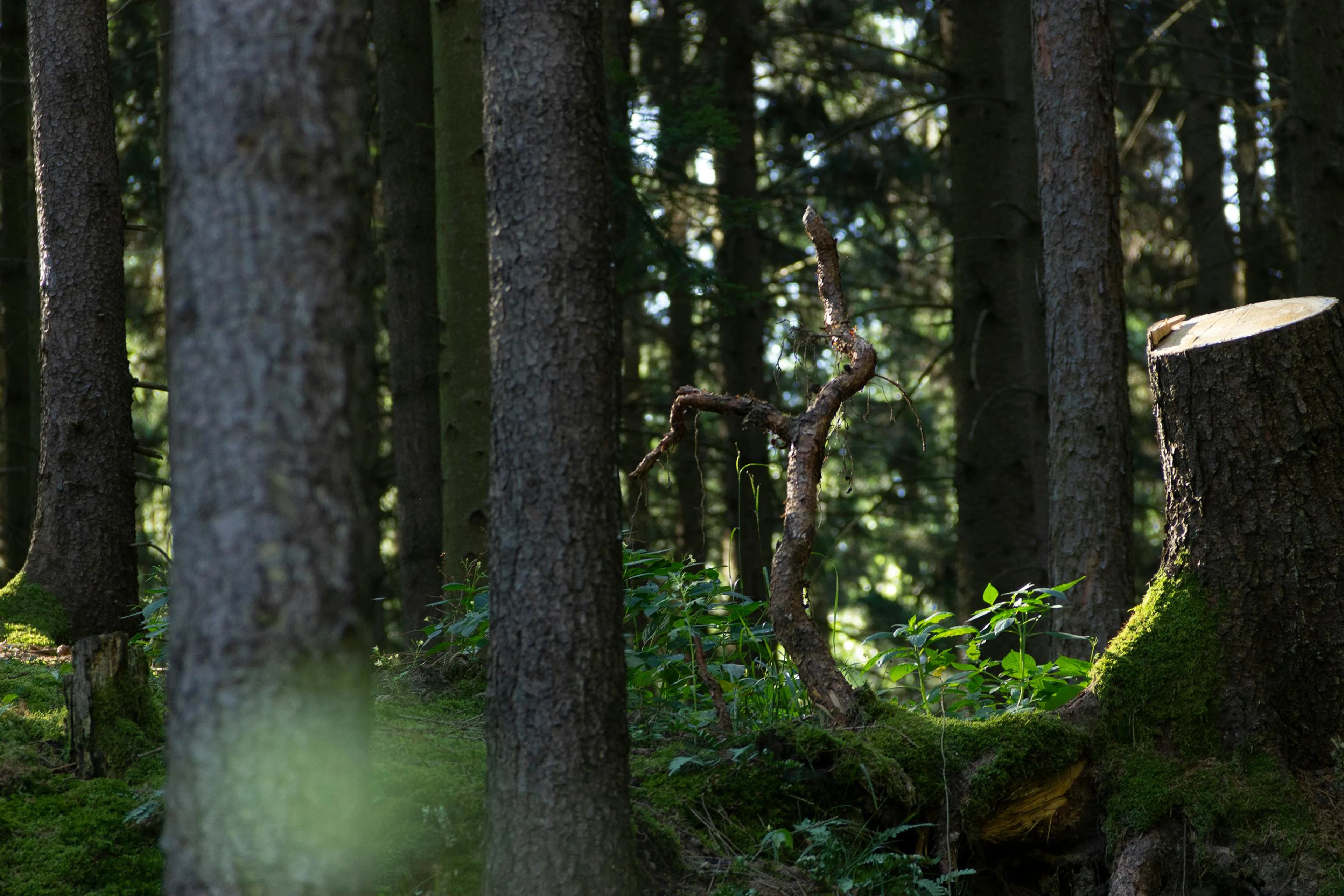
How FSC wood pulp is grown
FSC-certified forests aren't just "grown"—they are actively and rigorously managed according to a set of global standards that balance environmental, social, and economic factors.
Environmentally Sound: Management practices must conserve biological diversity, protect rare species and vital ecosystems, and maintain the natural composition of the forest.
Socially Beneficial: Management must respect the legal and customary rights of Indigenous Peoples and local communities, involving them in planning and operations. Workers' rights, health, and safety are prioritized.
Economically Viable: The management must be structured and planned to ensure the forest remains profitable without over-harvesting or compromising the other two principles, guaranteeing the resource is available for future generations.
Harvest calendar and growing conditions
FSC certified forests are found in over 80 countries with the majority found in Europe and North America. There are also FSC forests in tropical zones like the Congo Basin and across South America.


What you should know about FSC wood pulp

Cellulose, the primary structural component extracted from wood pulp, plays a key functional role within the modern food industry, primarily as an inert, non-nutritive additive . Chemically identical to the fibrous material found in fruits and vegetables, refined wood cellulose is utilized as a bulking agent, stabilizer, and anti-caking component in products ranging from shredded cheese to sauces and low-fat baked goods.
Submit your message in the form on the right and fill out the required information to make sure we can find the most knowledgable expert to assist you.